"It is a strength and sign of resilience to acknowledge anything that may be interfering with our happiness."

Pearlman & Associates

655 Craig Road
St. Louis, MO 63141

Monday – Saturday
Sunday CLOSED

Blog

Everything You Need To Know About Seasonal Affective Disorder (SAD)

Posted on November 15, 2021

MayoClinic.org defines Seasonal Affective Disorder (SAD) as, “A type of depression that’s related to changes in seasons,” and that, “SAD begins and ends at about the same times every year. If you’re like most people with SAD, your symptoms start in the fall and continue into the winter months, sapping your energy and making you feel moody. Less often, SAD causes depression in the spring or early summer.” (MayoClinic.org) According to Cleveland Clinic, SAD typically begins in young adulthood. 5% of adults in the U.S. experience SAD. Although it is not known why, it tends to impact women more than man. Specifically, 75% of those who get SAD are females. What causes seasonal affective disorder (SAD)? Biological Clock Change Chemical Imbalance Vitamin D Deficit Melatonin Boost Negative Thoughts What are some of the symptoms for SAD? Sadness Anxiety Fatigue Hopelessness or Worthlessness Losing interest in activities you tend to enjoy. Difficulty Concentrating Irritability Sleeping More It is important to mention the specific symptomology based on Winter-Onset & Summer-Onset SAD: Fall/Winter SAD Oversleeping Gain in weight Low energy Spring/Summer SAD Insomnia Lack of appetite Weight loss Anxiety There are multiple effective ways to treat SAD. The National Institute of Mental Health (nimh.nih.gov) goes into depth about the effectiveness of Light Therapy in treating SAD, “Since the 1980s, light therapy has been a mainstay for the treatment of SAD. It aims to expose people with SAD to a bright light every day to make up for the diminished natural sunshine in the darker months”. Additionally, the institute mentions other effective treatments, including: antidepressant medications, Vitamin D, and psychotherapy.

What To Do When Depressed

Posted on November 12, 2021

Depression does not define us. It is not who we are. Please know that if you are experiencing depression, you are far from alone. What should we do when we are feeling down? HelpGuide.org & Everyday Health list a great deal of helpful coping strategies to implement when experiencing depression. Frankly, many of these should be practiced in daily living to keep us healthy. Support System When depressed, it can be tempting to isolate ourselves. This is the exact opposite of what we should do. When down, be around those that uplift you. Don’t isolate from those that want to be there for you. Social Activities/Do Things That Make You Feel Good Staying in bed all day sometimes sounds really nice. Though it can be hard to get out of bed, try your best to do it. Go bowling or watch a movie. Be around friends, doing something you enjoy. Pet Ever thought about getting a companion? Taking care of a pet is not such a bad idea. In return, you’ll be taking care of yourself. Get Good Sleep, Eat Well, Relax, & Check/Manage Your Stress Make sure you get proper sleep. Try and not stress yourself out – take time to practice mindfulness, whether that’s walking outside, doing yoga, practicing deep breathing, or some other activity that allows you to be in the moment. Moving This is a continuation of some of the strategies above. Personally, I love walking outside and being in the sunlight, which boosts serotonin levels. Being active is super important! Challenge Negative Thinking Balance every negative thought with a positive thought. I struggle with catastrophizing – that scary all-or-nothing thinking. Try starting a journal! Therapy Millions of people pursue counseling, which, “Allows individuals to express and give voice to internal concerns, worries, and self-talk, without worry that they will walk out or leave them as a result. ​​Taking part in counselling allows you to share your feelings, with someone properly trained and equipped to deal with it and help you.” (Source: www.truthcounsellingnewcastle.co.uk)

Why Seek Out A Therapist? What Can Counseling Do For You?

Posted on November 8, 2021

Just a few years ago in 2018-19, around 40.2 million adults in the United States had received counseling or some form of mental health treatment. Now, with all of us living in a pandemic, amongst various other stressors, it is understandable as to why this number has continued to increase. There are several reasons to seek out a therapist and begin counseling. Chris Illiades, MD, says, “Seeing a therapist is not just for people with a serious mental health issue. Talk therapy—or psychotherapy—can help anyone who feels overwhelmed by emotions or life events. A mental health therapist can help you get through tough times”. Illiades adds that when someone is overwhelmed by sadness, helplessness, worry, anxiety, or struggling with stressors, then seeking out a therapist is an important step in the right direction. In the article called Benefits and Options for Therapy, published on Healthline, Sara Lindberg discusses more reasons that people consider therapy, which include; when someone is facing a crisis, dealing with depression & anxiety, or has complex family dynamics. Listed above are reasons to consider seeing a therapist. But what will you gain from therapy? Coping skills Improved communication skills Better management/expression of emotions Assistance with depression, anxiety, amongst other mental health conditions. A safe, warm space to open up and talk through the thoughts and feelings you have. The list only continues. It is important to mention that there are multiple options for therapy; talk therapy, individual therapy, family therapy, couples therapy, online therapy, and cognitive-behavioral therapy (CBT). Each of these types of therapy have their own respective advantages, which depend on your comfortability and your reason for pursuing therapy. It takes an immense amount of courage to reach out and ask for help. If you have any further questions, reach out to us at 314-942-1147. Dr. Lena Pearlman & Associates is a mental health practice located in Creve Coeur. The practice specializes in working with children, teens, and families. More information about Dr. Lena Pearlman & Associates is available at: https://www.stlmentalhealth.com.

Practice Self-Care!

Posted on November 5, 2021

Sometimes, life can become a little too much. It can feel like the weight of the world sits on our very chest, and we just don’t have the energy to fight it off. Whether it’s work, school, or various other stressors, we need to remember to take care of ourselves. After all, how can we effectively do what we set out to do if we are not at our best? An article by Matthew Glowiak of SNHU stressed the importance of self-care, “Engaging in a self-care routine has been clinically proven to reduce or eliminate anxiety and depression, reduce stress, improve concentration, minimize frustration and anger, increase happiness, improve energy, and more”. Again, it is so vital that we take good care of ourselves in general, but especially during a pandemic. It may take some time to figure out what you like doing for self-care, but allow yourself the time to figure that out. Mental Health America lists several great self-care tips!  Live a healthy lifestyle! This encompasses eating well, getting sleep, and exercising. Be social! Life during a pandemic is not easy. What is easy? Isolating. This is a no-no. Do something you enjoy doing. Whether this is playing video games, singing, or watching reality television, make time for what you enjoy. By the way, I like doing all of these. I’m not embarrassed about the reality television part! Relax – try yoga or taking a nice walk! Allowing yourself time to decompress is vital. On numerous occasions, I’ve heard that self-care is “selfish”. If there is anything you take away from this article, remember that taking care of yourself is NOT selfish. It is something all of us should practice every single day. Stephanie Grunewald, PhD, says, “Self-care is done with the intention of caring for yourself, not with the intention to harm or take from others. Being selfish means there’s a desire to take from others, often to their detriment. Self-care is about replenishing your resources without depleting someone else’s.”

St Louis Mental Health Therapist Dr. Lena Pearlman Discusses Anxiety Reduction Strategies

Posted on October 12, 2021

St Louis Mental Health Therapist – Dr. Lena Pearlman & Associates Discusses Anxiety Reduction Strategies Nervous? Restless? Trembling? Well, you could be experiencing anxiety. Before we continue, please know that everything is going to be alright. You are NOT alone in this! 40+ million adults in the United States & 264 million people worldwide have an anxiety disorder. This article will go into depth about the signs of anxiety, as well as effective approaches to assist you in living the life that you want to live, even with anxiety. The National Alliance on Mental Illness (NAMI.org) provide a list of emotional and physical symptoms that an individual with anxiety might experience. Some emotional symptoms include apprehension/dread, feeling tense, irritability, and anticipating the worst in situations. Physical symptoms include racing heart/shortness of breath, sweating, insomnia, and upset stomach. Every individual is unique, so finding the right strategy to combat your anxiety may take some time. Try the following, which are beneficial in all areas of life: 1.) Journal! Don’t keep your feelings bottled up inside – write it down. 2.) Practice self-care. Spend time doing the things that make you happy. It is not selfish to take care of yourself. 3.) Eat right. Healthy eating is incredibly important to your mental and physical health. 4.) Get a good night sleep. 5.) In more extreme cases of anxiety, talk to your doctor and consider seeking out a mental health therapist. Therapy can assist in developing coping strategies/problem solving skills, uncovering the underlying causes, and so much more. Again, remember that you are not alone! In St. Louis, you can contact a therapist or counselor at: Dr. Lena Pearlman & Associates STLmentalhealth.com 314-942-1147

St Louis Mental Health – 10 Ways To Promote Positive Mental Health

Posted on October 4, 2021

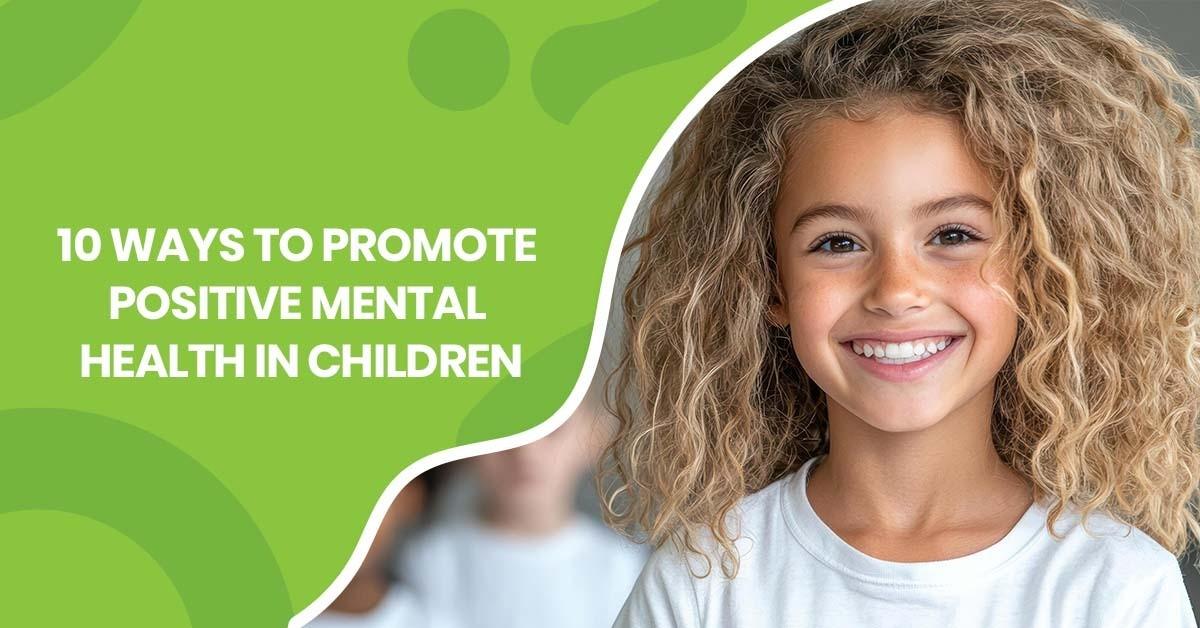
10 Ways to Promote Positive Mental Health in Your Children By: Dr. Lena Pearlman, LCSW – St Louis Therapist We receive many questions about what parents can do to help promote positive mental health in their children. Below please find 10 ways to promote positive mental health in your children: 1.) Sunlight Find outdoor activities to participate in with your children. Being inside all day, deprives our body of nature’s illumination. Serotonin is released in response to sunlight, which helps raise your energy level and mood. Sunlight deprivation can make a person feel sad and depressed. 2.) Role Model It is very important that you model positive mental health for your children. This includes helping them to observe you when you use positive coping skills to de-stress, relax, and calm down. 3.) Run, Skip, Hop & Move Your Body Exercise helps your physical and mental health in so many ways. Exercise alleviates anxiety. When exercising, the body releases endorphins – which creates feelings of happiness and euphoria. An additional benefit of exercise is that it boosts self-confidence. 4.) Breathe There are so many benefits to deep breathing! Breathing increases neurochemicals in the brain to elevate moods and combat physical pain. Breathing reducing excessive anxiety levels. As you relax your body, you will find that the breathing brings clarity and insights to you as well. 5.) Learn Something New Every Day (Even in the Summer) Having an “a-ha” moment and stimulating your brain has been shown to improve one’s outlook. It also feels good to have new knowledge or skills. This can be something as simple as learning something new on Khan Academy. 6.) Unplug There are many resources and tools that one can access online. As valuable and important as this can be, encourage your children to reduce “screen time” and to unplug. This is something that as a parent you can model for them as well. Find time at home to talk, eat meals, exercise, explore, and other activities that are technology free. 7.) Sleep Getting an adequate amount of sleep is critical for physical and mental health. People who are chronically sleep deprived can feel irritable, sad, angry, and lack motivation to do anything. 8.) Communicate Keep an open line of communication with your child. Help reinforce that you are there for them – even in the tough times. 9.) Happy Place Make sure that your child has a place to go to when they need to decompress, calm down, or reflect. This will give them time and a quiet place to work through a thought, situation, or conflict. They can then return when they are ready. 10.) Balance Help your child to have enough activities that keep them active and interested. Work hard to find balance between school, activities, family time, and time to relax. Over-programming your child can cause stress and an increase in anxious feelings. Perhaps create a list of activities that your child is interested in. Have your child rank their top few choices. You can then work with them to focus on a few of the high interest ones. —– Dr. Lena Pearlman & Associates is a St Louis mental health therapy practice in Creve Coeur, Missouri. The practice has a team of mental health therapists who provide therapy and counseling services to kids, teens, adults, couples, and families. Dr. Lena Pearlman & Associates specializes in stress, anxiety, depression, relationships, and other mental health related issues and concerns. The practice can be reached by phone at: 314-942-1147, by email at: bryan@stlmentalhealth.com or on the web at: www.STLmentalhealth.com. The office is located at: 655 Craig Road, Suite 300, St. Louis, MO 63141. Follow Dr. Lena Pearlman on Twitter at https://twitter.com/drlenapearlman.

Majority Of Teens Mental Health Negatively Impacted By The Pandemic

Posted on July 10, 2021

Majority Of Teens Mental Health Negatively Impacted By The Pandemic (St. Louis, Missouri): A recent survey found that the majority of parents reported that their teen’s mental health was negatively impacted by the pandemic. The mental health concerns reported to be most prevalent included anxiety, depression, self-harming behaviors, and suicidal thoughts.   According to insurance reports, the number of mental health insurance claims for US teens doubled during the pandemic. Additionally, the National Alliance on Mental Illness (NAMI) reported that the second leading cause of death among teens is suicide.   Therapist and former elementary school principal, Dr. Bryan Pearlman, believes that education and awareness are two of the critical components of addressing the mental health crisis, “If parents, educators and the community are not aware of these statistics, they really need to be and right away. An important first step in addressing the mental health epidemic is education. From education comes action. Research shows that the sooner a person receives care for a mental health concern, the greater the likelihood of a positive outcome.”   The increased numbers of teens seeking care for mental health concerns has been rapidly increasing in the St. Louis area as well. Dr. Pearlman sees this increase firsthand, “Five years ago, the average age of a client in our practice was approximately 40 years old. Today, the average age of a client is closer to 18 years old. We have also seen a rapid rise in the number of children under 12 years old that are coming in with depression, anxiety, suicidal thoughts, and other mental health concerns.”   Dr. Pearlman has some advice for parents, “You know your child the best. If you begin noticing changes in their behavior, appearance or attitude, this is something that you want to address right away. It is always best to err on the side of caution. You can reach out to your pediatrician for guidance or contact a therapist who specializes in working with children and teens.” ###   Dr. Bryan Pearlman is a therapist with Dr. Lena Pearlman & Associates, a mental health practice located in Creve Coeur. The practice specializes in working with children, teens, and families. More information about Dr. Lena Pearlman & Associates is available at: https://www.stlmentalhealth.com. The office can be reached by phone at: 314-942-1147.

Parenting During A Pandemic – Recorded on 3/24/2020

Posted on March 25, 2020

Here is the video from the web discussion “Parenting During A Pandemic”. https://zoom.us/rec/play/7Jx5deisrG03SIXAsASDA_AqW43oJ6us0CZL_PEMy06yUXBRMVH0ZrYRMfOPiUQYBcuT0SfIVpjf6pw Thank you to the panel: Dr. Lena Pearlman, LCSW Dr. Bryan Pearlman, EdD, LMSW Rebecca Dougherty, LCSW Michael Dittrich, EdS

Parenting During A Pandemic – Webinar And Q&A

Posted on March 22, 2020

Working From Home, Kids At Home, Anxiety, Stress, Self-Care, Isolation, Social Distancing, Etc.           Free Webinar Discussion And Q&A Tuesday, March 24th at 6 pm CT Led By: Dr. Lena Pearlman, LCSW – Therapist Dr. Bryan Pearlman, EdD, LMSW – Therapist & Educator Rebecca Dougherty, LCSW – Therapist Meghan Boyer, EdS – School Administrator Michael Dittrich, EdS – School Principal Dr. Roxxi Davis, PhD – Assistant Professor Mary Gismegian – Assistant Professor Dr. Jessica Whelan, FPMHNP – Psychiatric Nurse Practitioner Use The Below Link To Join: https://zoom.us/j/870169525?pwd=OTNuaDN3anZ3N0hsaklUVTRjWTRWZz09 Password:  parenting   Sponsored by: Dr. Lena Pearlman & Associates – https://www.stlmentalhealth.com Most Valuable Professional Development, LLC – https://mostvaluablepd.com Distinguished School of Mental Health & Wellness – https://dsmhw.org

Maintaining Your Mental Health While Dealing With Coronavirus

Posted on March 17, 2020

Free Webinar Discussion and Q&A “Maintaining Your Mental Health While Dealing With Coronavirus” Wednesday, March 18th at 9 am CT Link: https://zoom.us/j/690245119?pwd=SlJKbEdIRkZnYWUrT1FqS1ArSlBXZz09 Password: wednesday                 Led by Mental Health Therapists: Dr. Lena Pearlman, LCSW Rebecca Dougherty, LCSW Dr. Bryan Pearlman, EdD, LMSW For More information: Dr. Lena Pearlman & Associates STLmentalhealth.com 314-942-1147 bryan@STLmentalhealth.com