
522 N New Ballas, Suite 163
St. Louis, MO 63141
Monday – Saturday
Sunday CLOSED
Book Now
314-942-1147
Email Us
522 N New Ballas, Suite 163
St. Louis, MO 63141
Monday – Saturday
Sunday CLOSED
Book Now
314-942-1147
Email Us
A racing heart, shortness of breath, dizziness, or an overwhelming sense of fear can be frightening, especially when you are unsure what is happening. You may wonder whether you are having a panic attack or what many people call an anxiety attack.
There was probably a time when your teenager talked more freely, shared what happened at school, mentioned a friend’s name, brought up something that was bothering them. Then, gradually or suddenly, the conversations got shorter. One-word answers replaced fuller ones. Meals got quieter. The door to their room stays closed more.

Your child refuses to listen, has a tantrum, or ignores an instruction you’ve repeated several times. You feel your frustration rising faster than you expected, and before you know it, you respond more sharply than you intended.
You park outside the hospital and your chest tightens. The smell of antiseptic hits, and suddenly your hands are shaking. You tell yourself it’s “just a checkup,” yet your body is reacting as if something dangerous is about to happen. If this sounds familiar, you are not being dramatic, and you are not alone. For many people, hospitals, clinics, and even routine blood draws can set off intense anxiety. Often the cause is medical trauma.
You know you should shower, reply to that message, or start that project. You even want to. But your body won’t move, and your mind keeps saying “later.” If that sounds familiar, you’re not lazy and you’re not weak. Loss of motivation is one of the most common and most misunderstood symptoms of depression. It is a symptom, not a character flaw.
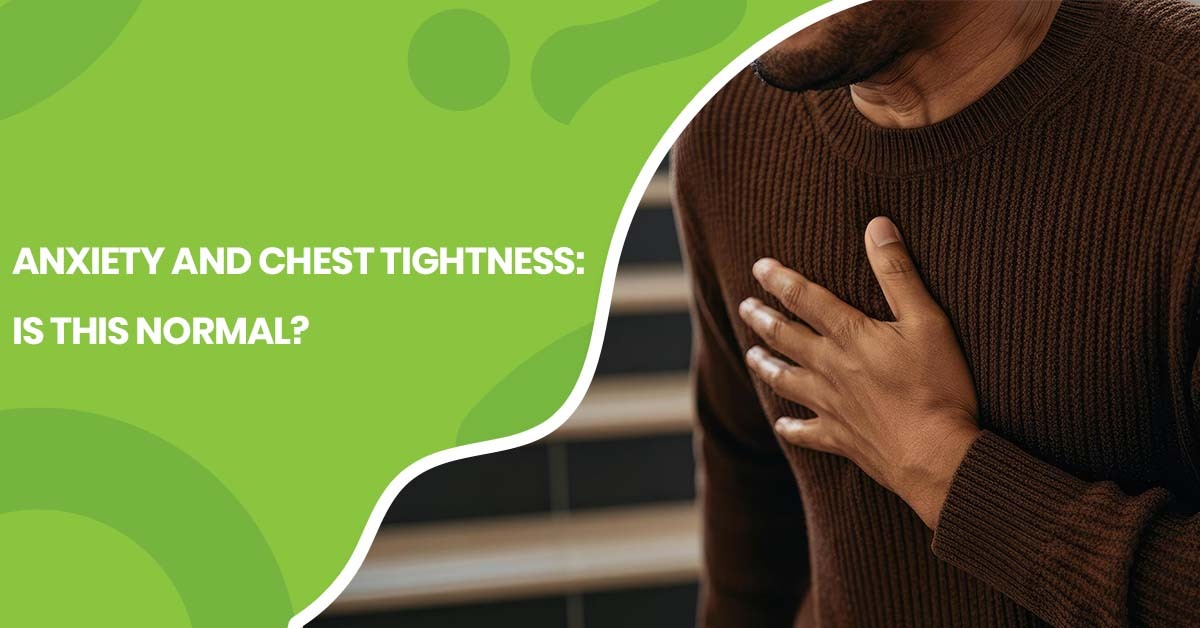
You’re at your desk, or lying in bed, when your chest suddenly feels tight, as if a band is being pulled around it. Within seconds your mind jumps to the scariest possibility: Is this my heart? Then comes the second question: Or is this just anxiety?
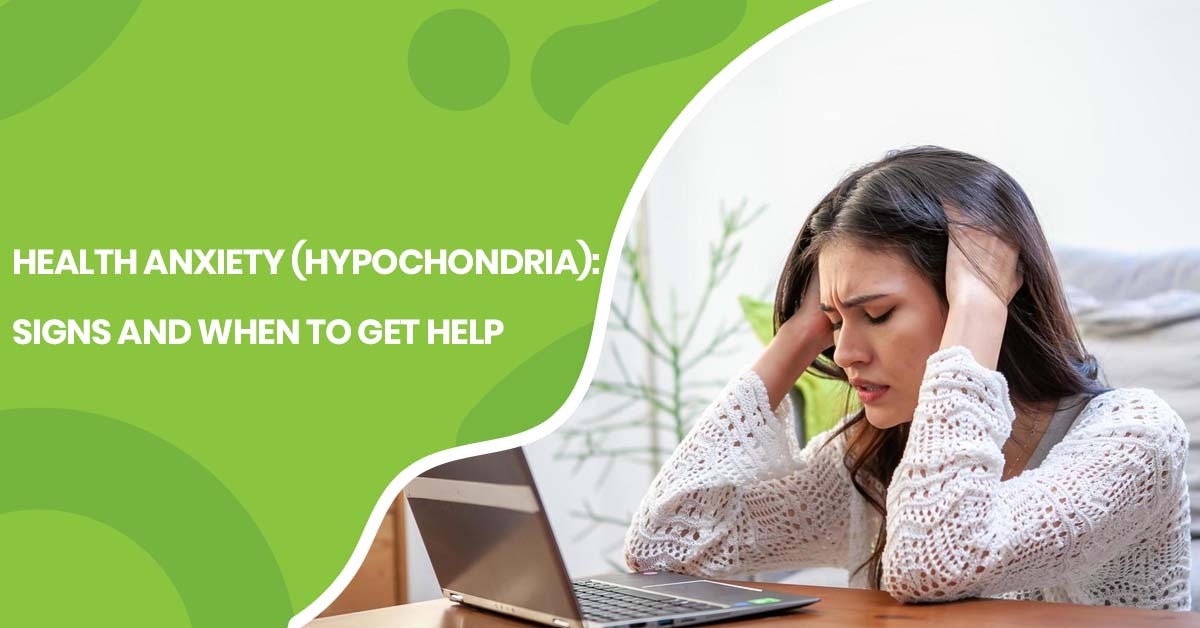
A headache is just a headache for most people. For someone with health anxiety, it can be the start of an hour spent searching symptoms online, replaying a doctor’s words, or mentally rehearsing worst-case scenarios. Health anxiety, once commonly called hypochondria, is more than “worrying too much” about your body. It’s a real, diagnosable pattern that can take over a surprising amount of daily life, and it’s far more common than most people realize.
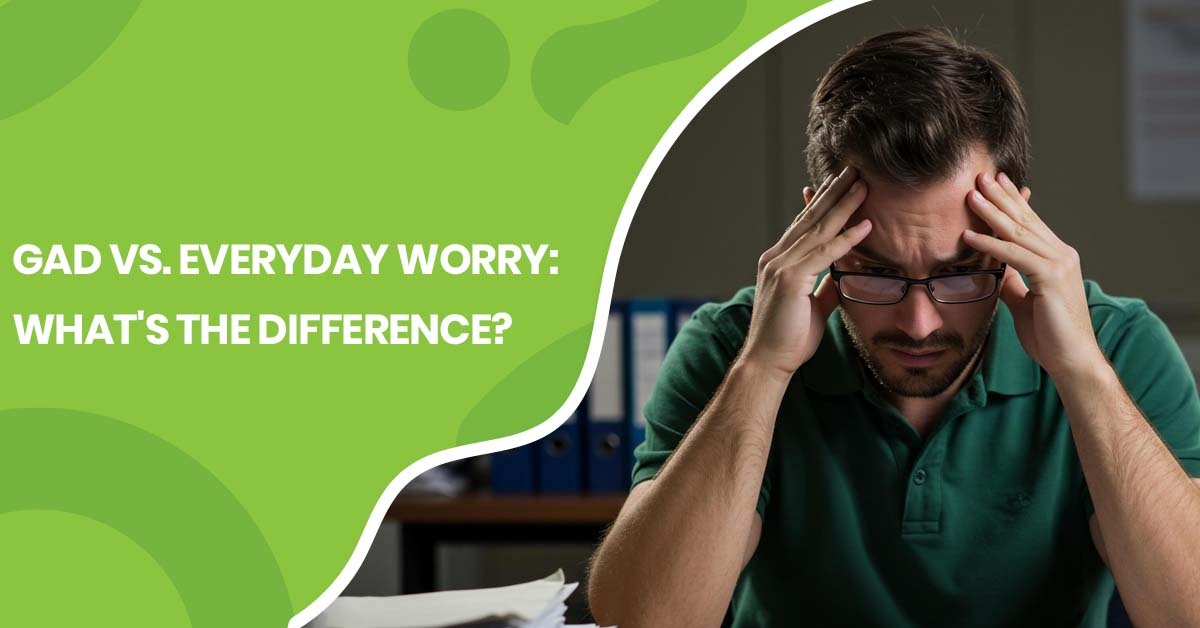
Everyone worries. You worry about a deadline, a doctor’s appointment, whether you locked the front door. That kind of worry comes, does its job, and goes away once the situation resolves. But for millions of people, worry doesn’t resolve, it just keeps running in the background, day after day, regardless of whether there’s anything real to worry about. That’s the line between everyday worry and generalized anxiety disorder (GAD), and it’s a line a lot of people in St. Louis are quietly living on the wrong side of without realizing it.

Your circumstances have changed. But something else feels different too, harder to name. The priorities, roles, and routines that once felt familiar don’t quite fit the same way. You might find yourself asking, quietly or not so quietly: Who am I now?

You can’t quite relax. Even when things are going reasonably well, no immediate crisis, no obvious problem, there’s a kind of low-level tension that doesn’t go away. You’re waiting for something to go wrong. Your shoulders are tight. A small thing sets you off in a way that surprises you.