
522 N New Ballas, Suite 163
St. Louis, MO 63141
Monday – Saturday
Sunday CLOSED
Book Now
314-942-1147
Email Us
522 N New Ballas, Suite 163
St. Louis, MO 63141
Monday – Saturday
Sunday CLOSED
Book Now
314-942-1147
Email Us

For most people, uncertainty is uncomfortable. Not knowing how something will turn out, waiting for information that hasn’t arrived yet, making a decision without all the facts, none of that feels particularly good.

A child misbehaves. One parent responds, takes away screen time, assigns a consequence, sets a limit. The other parent thinks it was too much. Or not enough. The disagreement happens right there, in the moment, sometimes in front of the child.

A partner leaves something undone. They interrupt. They forget something you mentioned before. On its own, it should be minor, the kind of thing you’d normally brush past. But lately, the reaction that surfaces feels much larger than what actually happened.

You leave a conversation thinking you’re done with it. Then, a few hours later, something brings it back. Something you said. The way the other person reacted. Whether your tone sounded different from what you intended. Whether they might be upset with you.

Forming a blended family can bring genuine excitement and real hope, a chance to build something new with people you love. It can also be harder than anyone anticipated. Children who didn’t choose this arrangement. Adults who are figuring out their roles without a clear template. Relationships that need time no one has quite enough of.

There’s a conversation many couples don’t quite know how to have. It starts with a feeling, something has shifted between you. You still love each other. You’re good parents. But you’re not connecting the way you used to, and neither of you knows exactly how to say that without making it worse.

You love each other. That part isn’t in question. There’s still real affection, shared history, genuine care. And yet somehow, the same argument keeps coming back. Different topic, same dynamic. Same escalation. Same unresolved feeling afterward.

Most couples don’t fall into communication problems all at once. It happens gradually, the same argument returns, one partner starts pulling back, conversations that should be straightforward become tense, and eventually both people start wondering whether this is just how things are now.

Discovering that a partner has been unfaithful is one of the most painful experiences a relationship can go through. The sense of betrayal, confusion, and loss that follows can feel completely overwhelming, and the question of what comes next rarely has a clear answer.
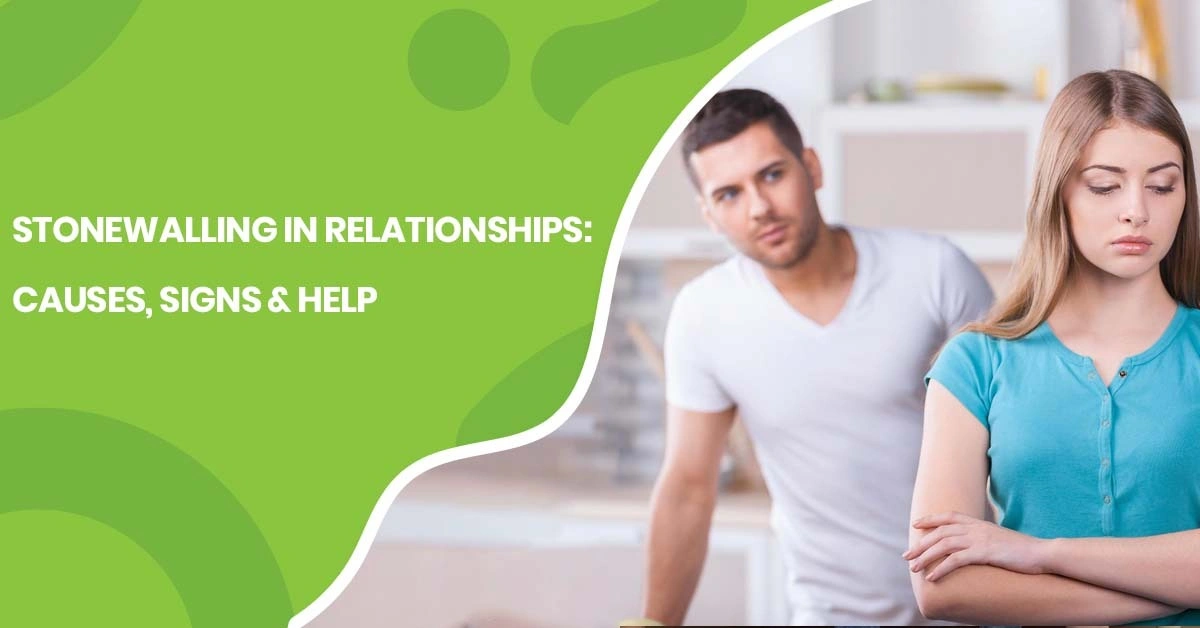
Picture this: an argument starts, the conversation gets tense, and one partner goes completely silent. No response, no eye contact, just a wall where a person used to be. For the partner still trying to talk, it can feel like being shut out, dismissed, or simply not worth engaging with.