
522 N New Ballas, Suite 163
St. Louis, MO 63141
Monday – Saturday
Sunday CLOSED
Book Now
314-942-1147
Email Us
522 N New Ballas, Suite 163
St. Louis, MO 63141
Monday – Saturday
Sunday CLOSED
Book Now
314-942-1147
Email Us
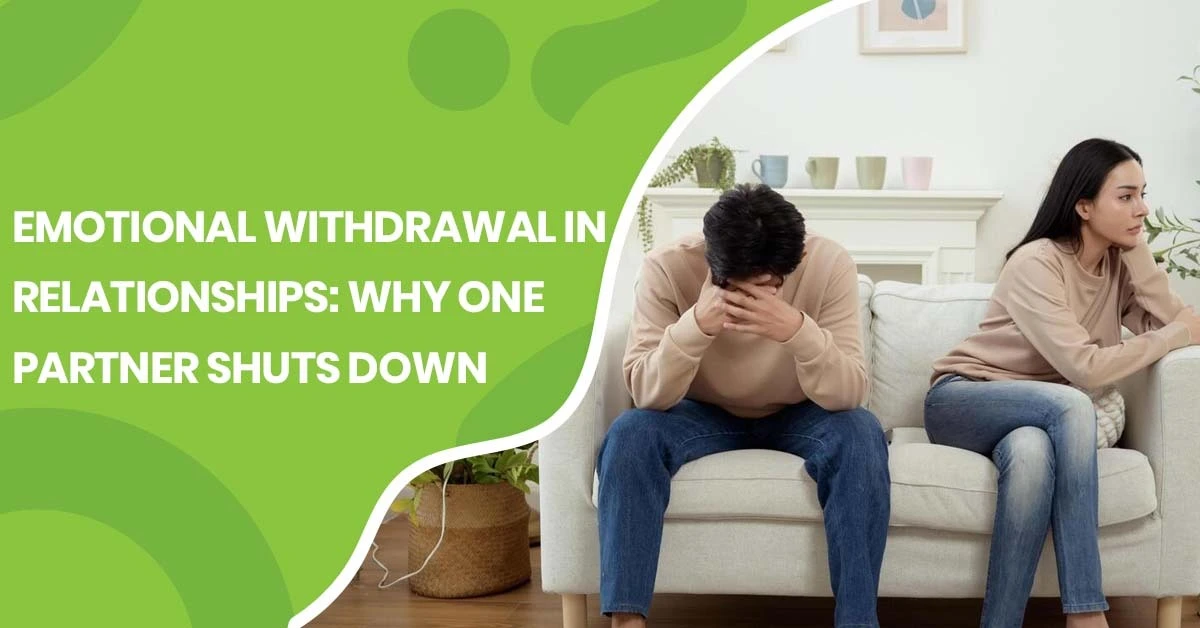
Few things feel lonelier than being in a relationship with someone who has become emotionally distant. They’re physically present, sitting next to you, sleeping in the same bed, but they’re somewhere else. Conversations stay surface level. Feelings don’t get shared. Something that used to feel close and connected now feels far away.

Have you ever wondered why some people panic at the first sign that a partner might pull away, while others shut down the moment a relationship starts feeling too close? These patterns can be confusing, both for the person experiencing them and for the people around them.
Planning a wedding takes months. Choosing a venue, managing a budget, coordinating family members, and working through every detail between now and the ceremony is its own kind of full-time job. But the relationship itself, the day-to-day partnership that begins after the wedding, often gets much less preparation.
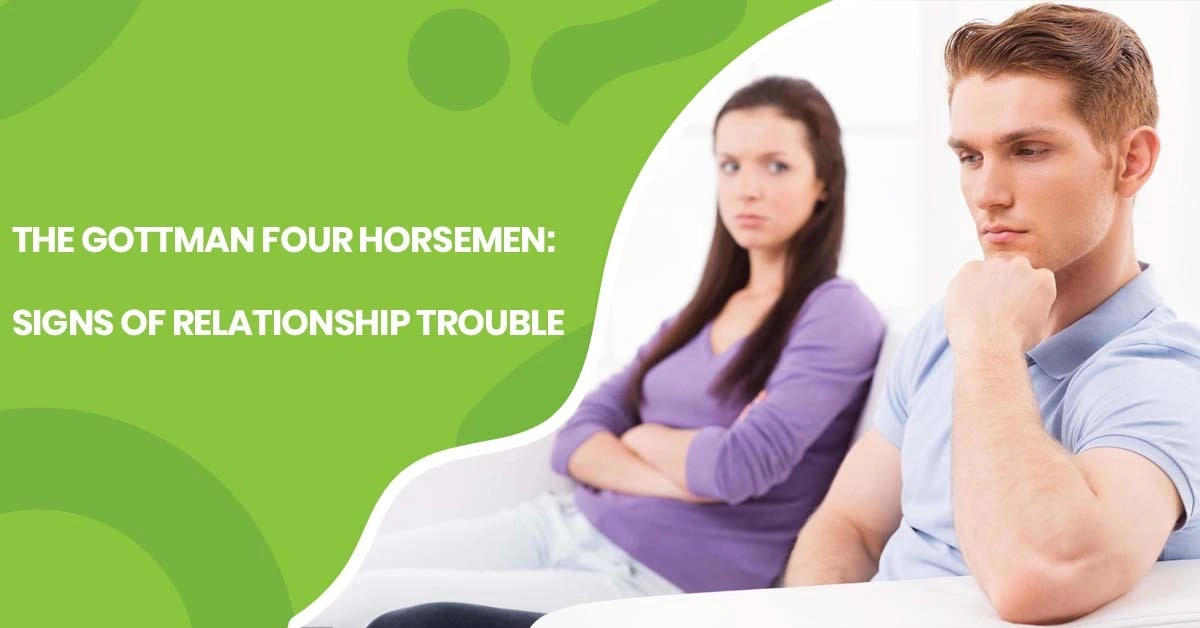
Most couples don’t fall apart because of one big argument. They fall apart because of small patterns that repeat over months and years, patterns that slowly erode trust, warmth, and the ability to work through conflict together.
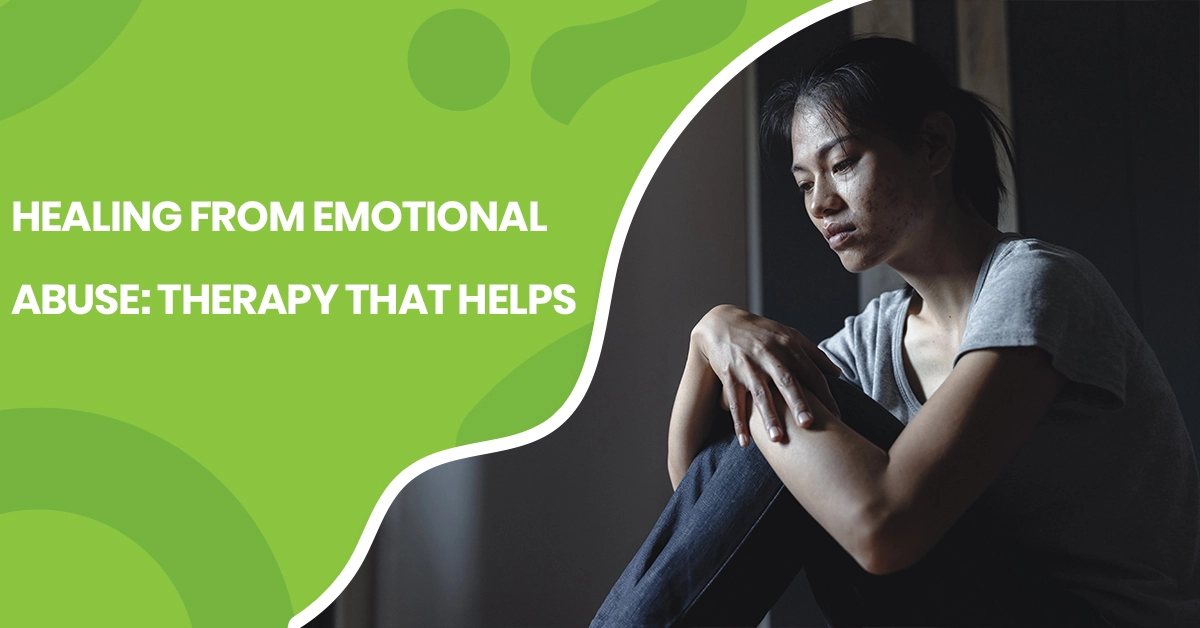
Emotional abuse doesn’t leave visible marks. That can make it harder to name, harder to explain to others, and harder to trust your own experience of it. Many people who have been through emotionally abusive relationships come out the other side questioning their memory, doubting their judgment, and wondering if they were ever really as capable or worthy as they once believed.
Most people think of trauma as something that lives in the mind, in memories, thoughts, and emotions. But trauma also affects the body in ways that can be just as real and just as disruptive.
If you’ve ever wondered why you keep going back to someone who hurts you, you’re not weak. You’re not confused. And you’re not alone. Many people find themselves deeply attached to someone who causes them real harm, and can’t fully explain why.
If you’ve ever felt like your trauma doesn’t quite “fit” the textbook description of PTSD, you’re not alone. PTSD and Complex PTSD (cPTSD) both come from trauma, but they show up in different ways and often need different kinds of treatment. Knowing which one matches your experience is the first step toward finding the right support.
Childhood trauma doesn’t disappear simply because years have passed. It doesn’t stay neatly contained in the past, and it rarely announces itself clearly. Instead, it tends to show up disguised as personality, as the way you’ve “always” been.
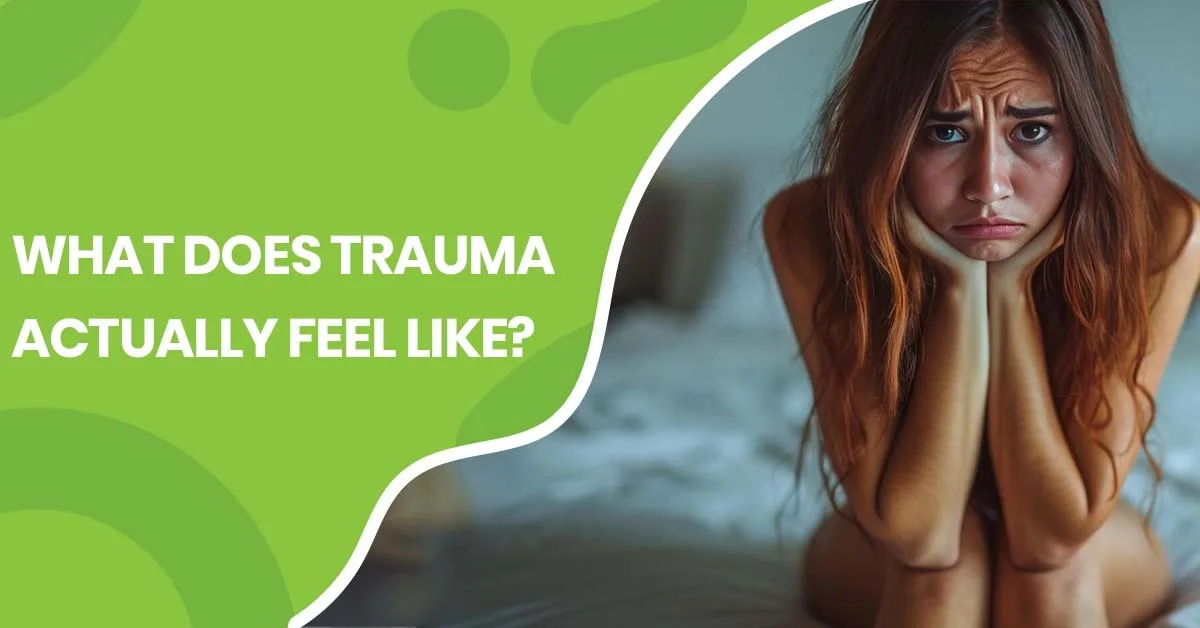
Most people picture trauma as something dramatic, a single, identifiable event followed by an obvious emotional reaction. That picture isn’t wrong, but it’s incomplete. For a lot of people, trauma doesn’t feel like fear at all. It feels confusing.