
522 N New Ballas, Suite 163
St. Louis, MO 63141
Monday – Saturday
Sunday CLOSED
Book Now
314-942-1147
Email Us
522 N New Ballas, Suite 163
St. Louis, MO 63141
Monday – Saturday
Sunday CLOSED
Book Now
314-942-1147
Email Us
Most people think anxiety has a clear cause, a difficult conversation, a looming deadline, a crisis of some kind. But in therapy, what we actually see is more nuanced. Anxiety often shows up on an ordinary Tuesday afternoon. During a quiet evening at home. Even right after something good happens. And because nothing obviously “went wrong,” people assume they’re just anxious by nature, that this is simply how their mind works.
You’ve been here before. A different person, but somehow the same relationship. The same push-pull, the same emotional unavailability, the same cycle of hope and disappointment. And the most confusing part? You chose them. Again.
Most new parents expect exhaustion after having a baby. What they don’t expect is the constant fear, the racing thoughts at 3 a.m., the inability to relax even when the baby is finally sleeping, the feeling that something terrible is always about to happen.
You have a big presentation next week, and you haven’t slept properly in two days. Or maybe it’s a routine doctor’s appointment tomorrow, but your stomach is already in knots. The event hasn’t happened yet. It might not even be bad. But your body and mind are treating it like it’s happening right now. That feeling has a name: anticipatory anxiety.
Shyness vs. Social Anxiety: What’s the Real Difference? Your entire life, you’ve been labeled as “shy”. Maybe you dread small talk, feel your heart race before a meeting, or spend hours replaying every word you said at a party. You might believe this is simply who you are, just part of your personality. But what if it isn’t? What if the constant knot in your stomach before social situations isn’t shyness at all, but something deeper?
You’re not broken. You’re not weak. And you are far from alone. If you are a woman who seems to have it all together, excelling at work, managing a household, showing up for friends and family, yet you lie awake at night with a racing mind, you may be experiencing what mental health professionals call high-functioning anxiety.
If you’re wondering why I feel worse after couples therapy, you’re not alone and you’re definitely not doing it wrong. In fact, feeling more conflict, more raw, or more emotionally drained in the early weeks of couples counseling is one of the most common and least talked about parts of the healing process.
If that sentence hit a little close to home, you’re not alone. In fact, that feeling, that quiet, persistent shame about going to therapy, is one of the most common reasons people who genuinely need support never reach out for it. Not cost. Not access. Shame.
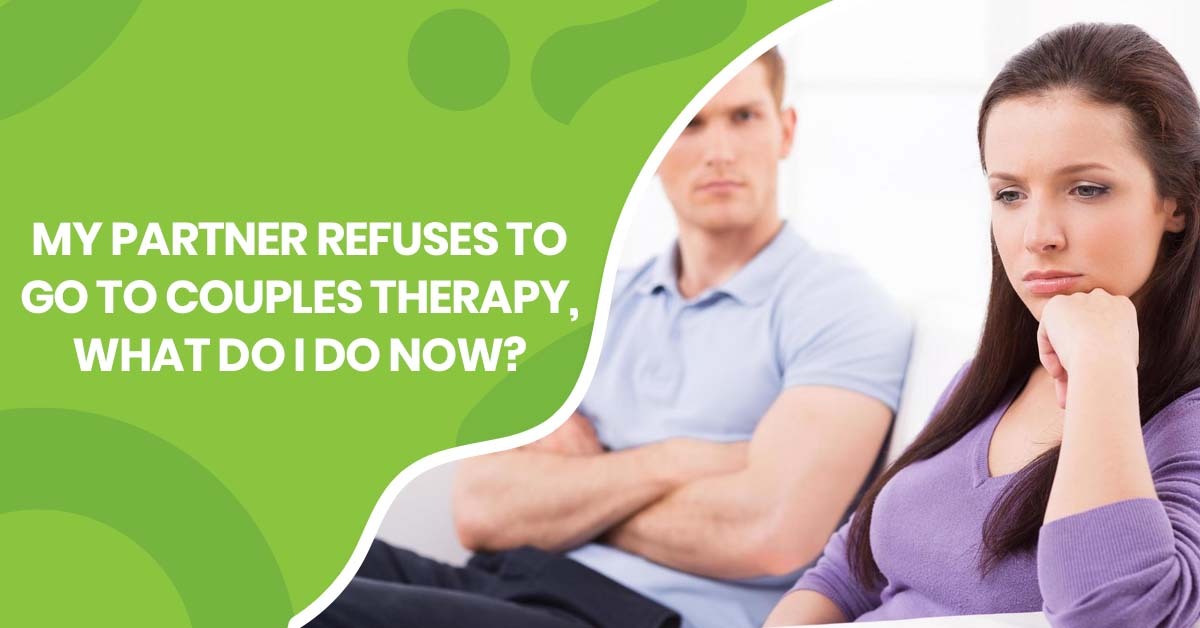
You’ve brought it up more than once. Maybe gently at first, then with more urgency. You’ve explained that things aren’t working, that you’re both hurting, that you just want some help. And every time, your partner shuts it down. No. Not interested. We don’t need that.
Most people walk into therapy expecting to talk to vent, maybe cry a little, gain some perspective, and walk out feeling lighter. What they don’t expect is that sitting in that chair and speaking with another person is literally rewiring their brain at the cellular level.