
522 N New Ballas, Suite 163
St. Louis, MO 63141
Monday – Saturday
Sunday CLOSED
Book Now
314-942-1147
Email Us
522 N New Ballas, Suite 163
St. Louis, MO 63141
Monday – Saturday
Sunday CLOSED
Book Now
314-942-1147
Email Us
A lot of people assume that once depression improves, the hardest part is over. But for many people, depression returns weeks, months, or even years later. That can feel discouraging, confusing, and deeply frustrating, especially when you thought you had already worked through it. The familiar heaviness shows up again, and with it comes a new layer of defeat: Why is this happening again? Did any of that work even matter?
Most people associate depression with sadness, a heaviness that shows up as tearfulness, withdrawal, and the inability to feel joy. For many people, depression doesn’t look like sadness at all. It looks like frustration that comes out of nowhere. Disproportionate anger at small inconveniences. A short fuse with people who didn’t use to trigger it. A persistent emotional tension that makes everything feel harder to tolerate.
Watching someone you love struggle with depression is one of the hardest positions to be in. You want to help. You want to say the right thing, do the right thing, and somehow make it better. And when nothing seems to work, the helplessness can become its own kind of weight.
You’ve slept eight hours. Maybe nine. You’ve had your coffee. But your body still feels like it’s moving through wet cement. Getting out of bed takes real effort. Showering feels like a project. By mid-afternoon, you’re completely drained, even though you haven’t done anything particularly strenuous.
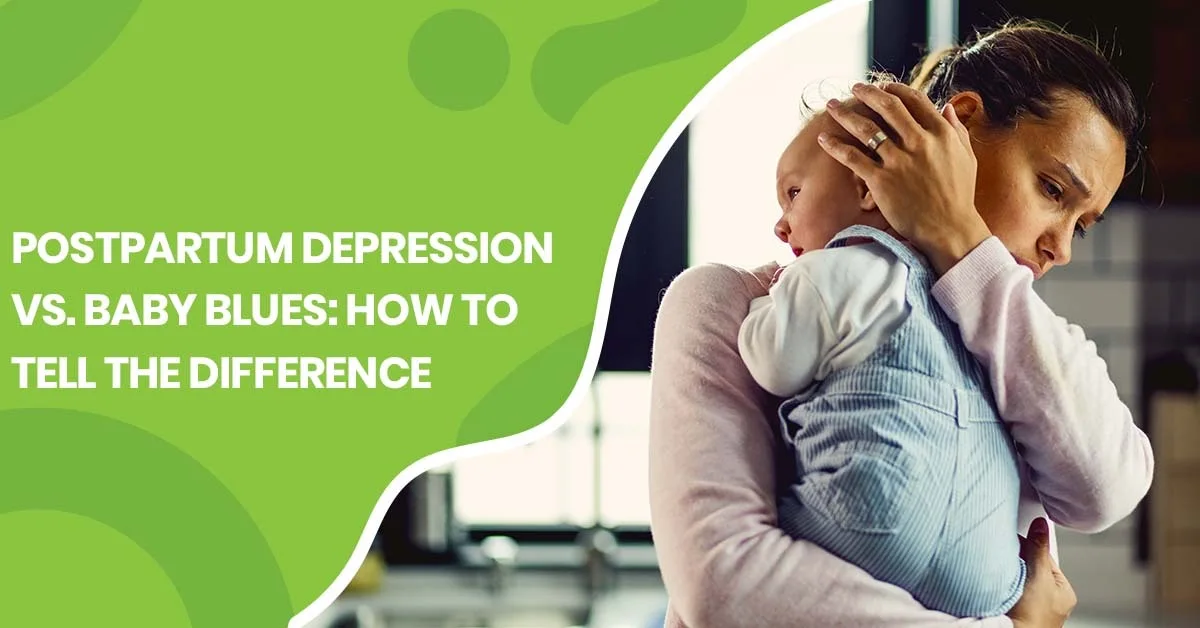
A St. Louis Therapist Explains the Signs, Symptoms, and When to Get Help. Emotional changes after childbirth are expected. Most new mothers go through a period of intense feelings, tearfulness, overwhelm, exhaustion, and unexpected sadness in the days after delivery. This is common, and in most cases, temporary.
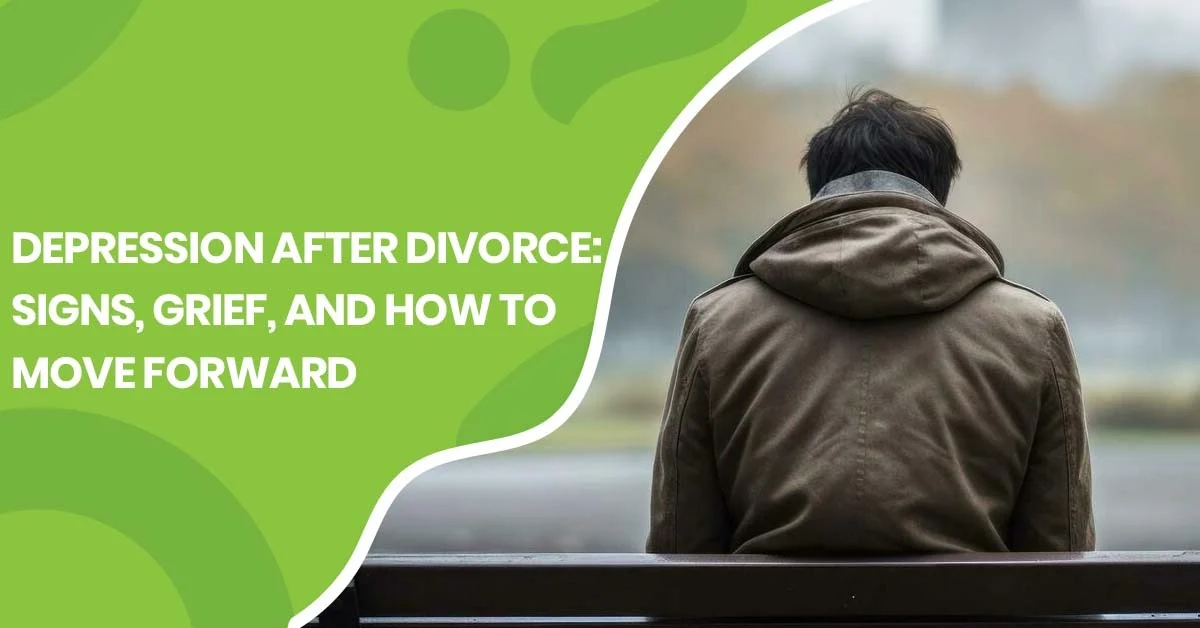
A Therapist’s Perspective on Emotional Recovery After Divorce Divorce is one of the most significant losses a person can experience. Even when the decision was right. Even when both people agreed. Even when the marriage had been difficult for years.
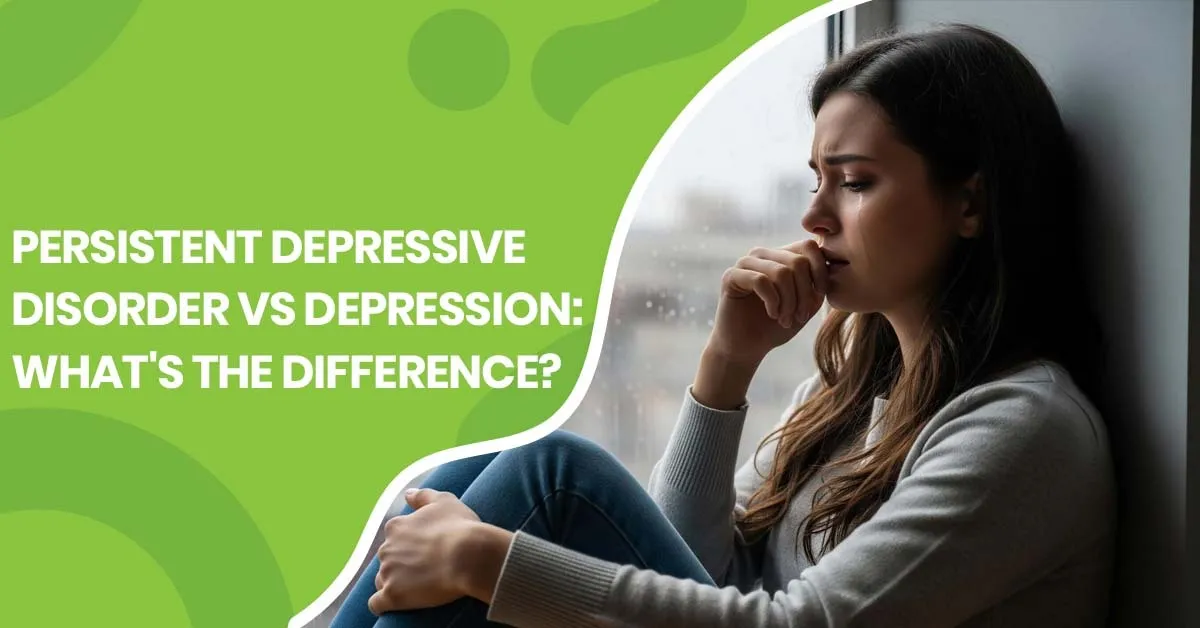
A Therapist’s Guide to Chronic Depression and Dysthymia, Depression doesn’t always look the way people expect. The image most people carry, being unable to get out of bed, crying unexpectedly, feeling completely non-functional, describes one form of depression. But there’s another form that looks entirely different and goes unrecognized for years as a result.
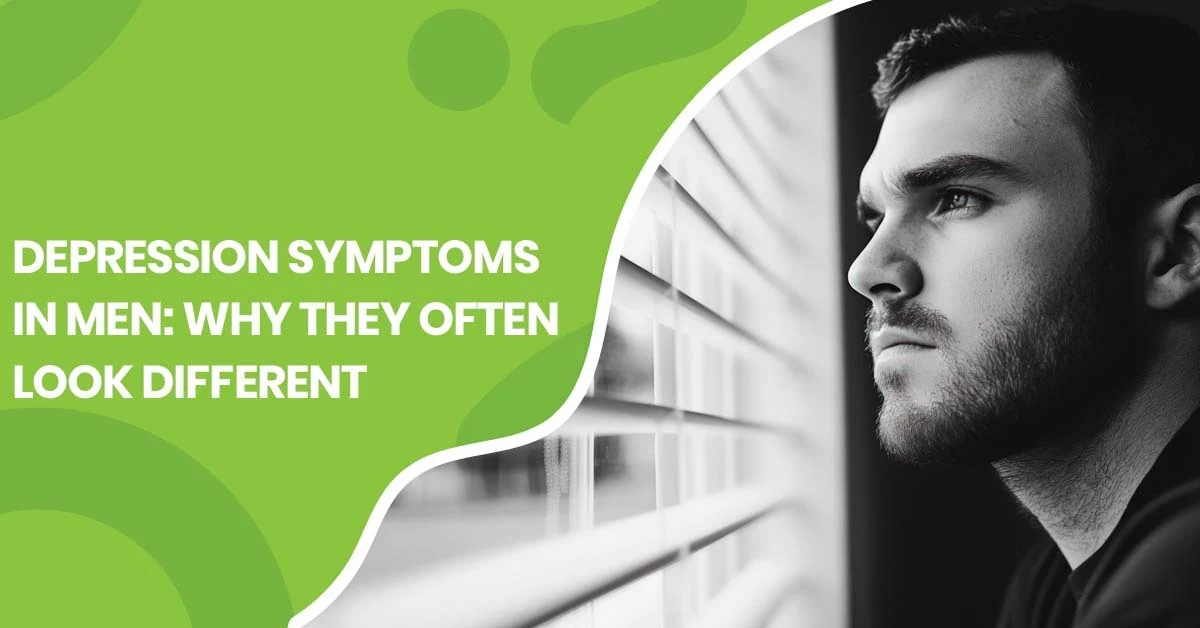
Most people, when they picture someone with depression, picture someone who can’t get out of bed, someone visibly sad, crying, withdrawn from life. That image is real for some people. But for a lot of men, depression looks almost nothing like that.

On paper, everything looks great. You meet your deadlines, show up for your friends, keep the household running, and reply to texts. To the outside world, you are the definition of “holding it together”, but internally, every single task feels like wading through wet cement.
We’ve all been there, curled up on the couch after a brutal day, staring at the ceiling, and telling ourselves, “I’m just so depressed.” It’s a phrase we throw around casually in modern conversation to describe the heavy feeling after a tough breakup, the sting of a professional setback, or the general malaise of a rainy Sunday afternoon. But there is a massive difference between the transient cloud of sadness and the heavy, suffocating fog of clinical depression.