
522 N New Ballas, Suite 163
St. Louis, MO 63141
Monday – Saturday
Sunday CLOSED
Book Now
314-942-1147
Email Us
522 N New Ballas, Suite 163
St. Louis, MO 63141
Monday – Saturday
Sunday CLOSED
Book Now
314-942-1147
Email Us
Life today moves at a fast pace. Deadlines, responsibilities, and constant pressure can easily make anyone feel overwhelmed. But many people struggle with one important question: Am I just stressed, or am I actually experiencing burnout?
If you are searching for answers, you are not alone. Many individuals seeking St Louis anxiety counselling services often ask this exact question when they start feeling mentally and emotionally drained.
Stress and burnout may feel similar at first, but they are not the same. Understanding the difference is important because the solutions are also different. In this guide, you will learn how to recognise the signs, understand the key differences, and know when it might be time to seek professional help from a therapist near me, a St Louis therapist, or trusted clinics like Pearlman & Associates.
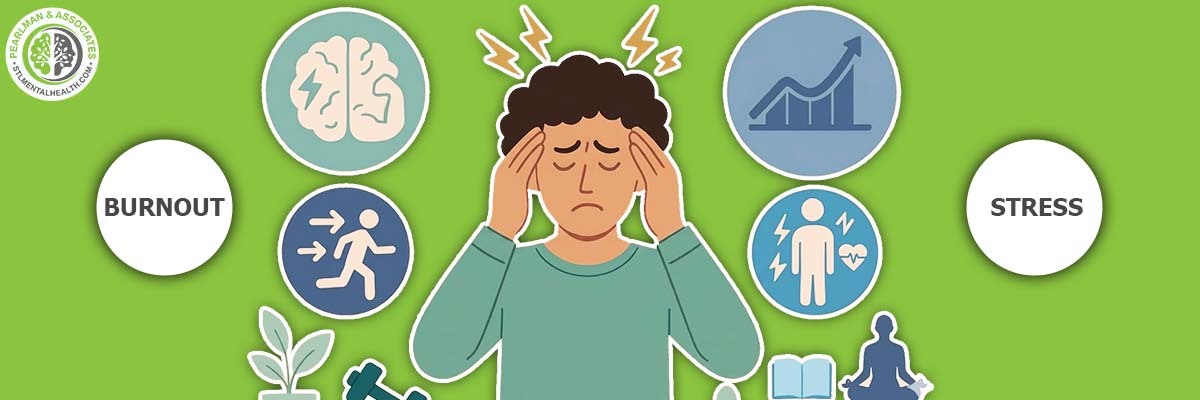
Stress is your body’s natural reaction to challenges or pressure. It happens when you feel overwhelmed by work, family responsibilities, finances, or major life changes.
In small amounts, stress can actually be helpful. It can motivate you to meet deadlines, solve problems, and stay focused. However, when stress becomes constant and unmanaged, it can lead to serious emotional and physical issues.
If you are experiencing stress, you may notice:
Feeling overwhelmed but still motivated to keep going
Trouble sleeping or frequent headaches
Irritability or anxiety
Difficulty concentrating
Muscle tension or fatigue
Feeling pressure from responsibilities
People dealing with stress often believe that once the situation improves, they will feel better again.
Burnout is a deeper and more severe condition that develops after long-term, unmanaged stress. It often appears when someone feels emotionally exhausted and disconnected from their work or responsibilities.
According to research, burnout typically includes three main symptoms:
Emotional exhaustion
Cynicism or detachment from work
Reduced professional performance
Unlike stress, burnout does not simply disappear after rest or a short break.
You might be experiencing burnout if you notice:
Chronic exhaustion even after resting
Feeling emotionally numb or detached
Loss of motivation for work or daily tasks
Decreased productivity or performance
Feeling hopeless or trapped
Frequent illness or physical fatigue
Burnout often develops gradually, which is why many people do not recognise it until it becomes severe.
Understanding the difference between stress and burnout can help you identify what you are truly experiencing.
| Stress | Burnout |
|---|---|
| Short-term pressure | Long-term emotional exhaustion |
| Feeling overwhelmed but engaged | Feeling detached and unmotivated |
| Energy is high but scattered | Energy is extremely low |
| You believe things will improve | You feel hopeless or stuck |
| Caused by temporary challenges | Caused by prolonged stress |
In simple terms, stress feels like too much pressure, while burnout feels like having nothing left to give.
Recognising the early symptoms can help you prevent burnout before it becomes severe.
Constant frustration or irritability
Feeling helpless or unmotivated
Loss of interest in activities you once enjoyed
Persistent fatigue
Headaches or stomach problems
Trouble sleeping
Avoiding work or responsibilities
Decreased productivity
Social withdrawal
If these signs continue for weeks or months, it may indicate burnout rather than normal stress.
Burnout usually develops due to long-term emotional or professional pressure. Some common causes include:
Excessive workload
Lack of control at work
Poor work life balance
Lack of recognition
Constant pressure to perform
People working in demanding roles or caregiving positions often face a higher risk of burnout.
If stress starts affecting your mental health, relationships, or daily functioning, it may be time to speak with a professional.
Many individuals find relief by working with a therapist for anxiety or a licensed therapist in st louis who understands emotional exhaustion and chronic stress.
Clinics like Pearlman & Associates offer professional mental health support for individuals struggling with anxiety, burnout, and emotional overwhelm.
Therapy can help you:
Identify the root cause of stress or burnout
Learn healthy coping strategies
Set boundaries in work and personal life
Improve emotional resilience
Platforms like Grow Therapy also connect individuals with licensed professionals who specialise in stress management and burnout recovery.
Even small changes can protect your mental health.
Avoid overcommitting and learn to say no when necessary.
Quality sleep helps your body recover from daily stress.
Short breaks improve focus and prevent mental exhaustion.
Speaking with a trusted friend or therapist can reduce emotional pressure.
Exercise, meditation, and hobbies can improve emotional balance.
If symptoms continue despite these efforts, professional counseling may be the best step forward.
Stress feels overwhelming but manageable, while burnout causes deep exhaustion, loss of motivation, and emotional detachment.
Early signs include constant fatigue, irritability, loss of motivation, poor concentration, and feeling emotionally drained.
Yes. Long term unmanaged stress can eventually lead to burnout if the pressure continues without recovery.
Burnout can last weeks or months depending on severity. Recovery often requires rest, lifestyle changes, and professional support.
Yes. A licensed therapist can help identify causes of burnout and create strategies to restore emotional balance.