
522 N New Ballas, Suite 163
St. Louis, MO 63141
Monday – Saturday
Sunday CLOSED
Book Now
314-942-1147
Email Us
522 N New Ballas, Suite 163
St. Louis, MO 63141
Monday – Saturday
Sunday CLOSED
Book Now
314-942-1147
Email Us
Panic disorder isn’t just about feeling scared once in a while, it’s that intense, sudden wave of anxiety that can take over your body without any warning. One moment you feel fine, and the next, your heart is racing, your chest feels tight, your breathing changes, and it can genuinely feel like something is seriously wrong. It’s not just physical, it’s mental too. The thoughts that come with it can be just as overwhelming, leaving you confused, drained, and sometimes even afraid of when the next episode might hit.
If you’ve ever gone through this, you already understand how exhausting it can be, not just during the panic attack, but even after it passes. That constant anticipation, the fear of it happening again, can slowly start affecting your daily life, your confidence, and even simple routines.
This handbook is created to give you clarity, not confusion. It’s here to break things down in a way that actually makes sense, without making you feel overwhelmed. Whether you’re personally dealing with panic attacks or trying to understand what someone close to you is going through, this guide will walk you through the causes, symptoms, and practical ways to manage and overcome it.
Most importantly, this isn’t just information, it’s support. Because what you’re feeling is real, it’s valid, and you don’t have to figure it all out on your own.
This section brings together trusted, expert-backed insights to help you better understand panic disorder. Here, you’ll find clear answers to common questions along with practical guidance you can actually use. Think of it as a reliable space to learn, explore, and take informed steps toward feeling better.
Panic disorder is more than just occasional anxiety, it’s a condition where a person experiences repeated, unexpected panic attacks that seem to come out of nowhere. These attacks are intense and can peak within minutes, often without any clear trigger, even when you’re calm or going about your normal routine.
A panic attack isn’t just “feeling nervous.” It’s a sudden surge of fear that takes over both your mind and body, making everything feel overwhelming in that moment.
What truly sets panic disorder apart isn’t just the attacks themselves, but what comes after. Many people begin to:
Over time, this cycle can quietly start affecting everyday life, from work and relationships to simple daily tasks, making even normal situations feel stressful or unsafe.
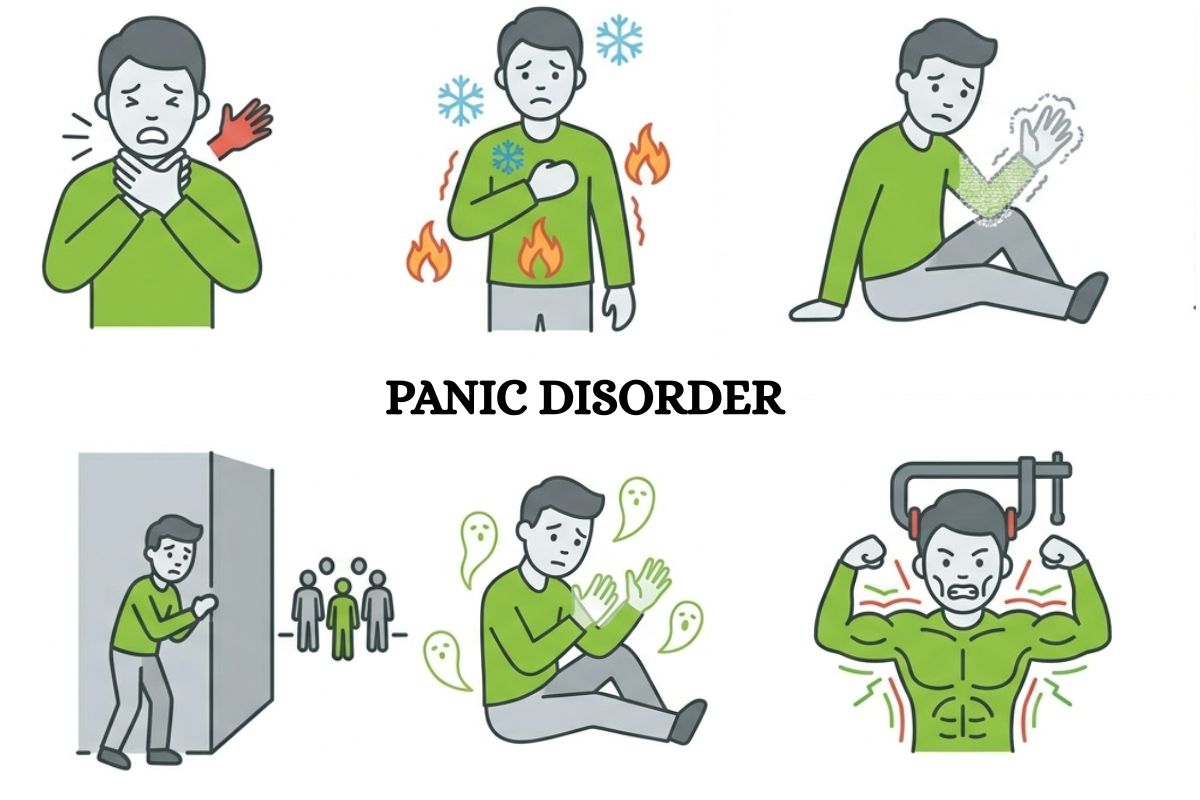
Panic attacks don’t look the same for everyone, but they often share a set of intense physical and emotional symptoms that can feel overwhelming in the moment. These symptoms usually come on suddenly and peak quickly, making the experience even more frightening.
Some of the most common signs include:
Because these symptoms can be so powerful and physical, many people mistake a panic attack for a serious medical emergency, like a heart attack. This can add even more fear to the experience, creating a cycle that makes future attacks feel even more overwhelming.
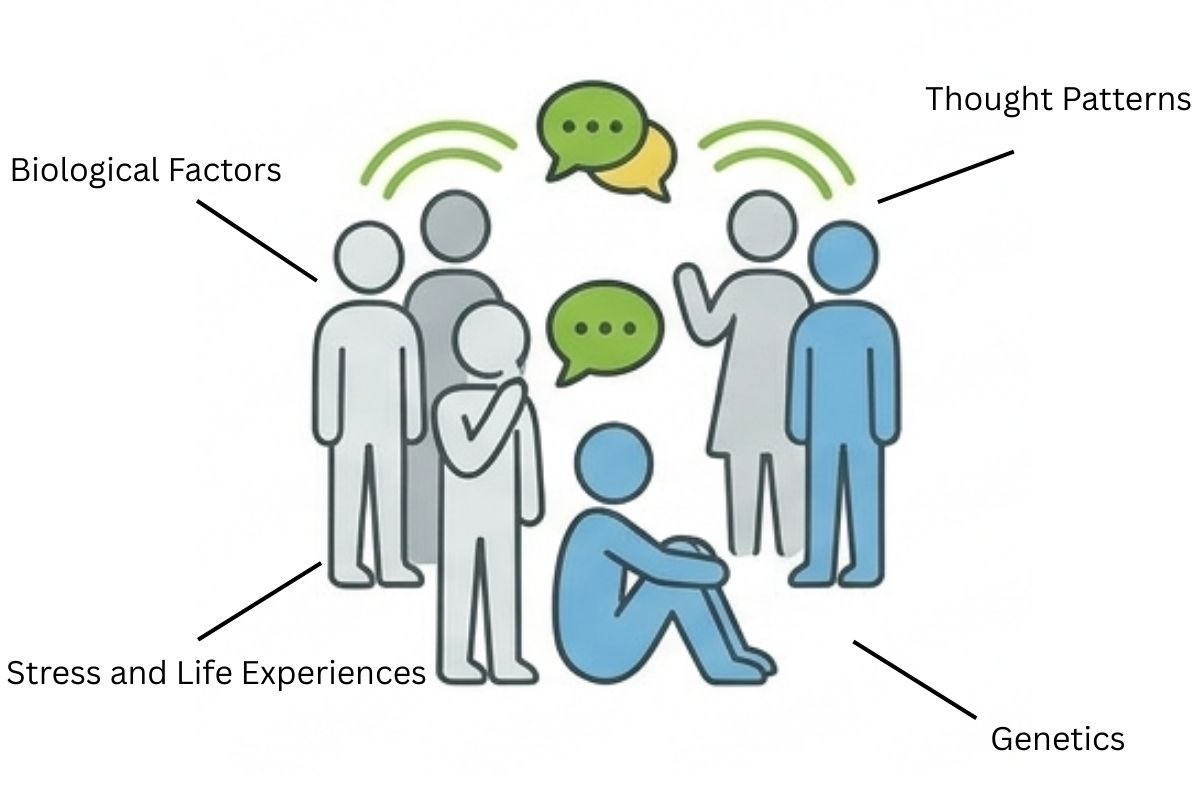
Panic disorder doesn’t have just one clear cause. It usually develops from a combination of factors that affect how your mind and body respond to stress and fear. For many people, it’s not about one single trigger, but a mix of underlying influences that build over time.
Some of the key factors include:
In most cases, panic disorder develops when these factors interact, making your mind and body more reactive to fear, even when there’s no real danger.
One of the most important things to understand about panic disorder is how the panic cycle works. It’s not just the attack itself, but the chain reaction inside your mind and body that builds it up.
It often starts with something small, like a slight increase in heartbeat or a feeling of discomfort. Instead of seeing it as harmless, your mind interprets it as a threat, triggering thoughts like “Something is wrong” or “I’m not okay.”
This fear quickly intensifies, causing your body to react even more. Your heart beats faster, your breathing changes, and physical symptoms become stronger. As these sensations grow, your fear also increases, creating a loop that feeds itself.
Before you know it, this cycle peaks into a full panic attack.
The key to recovery lies in breaking this cycle, learning to understand your body’s signals, and responding to them in a calmer, more controlled way.
Panic disorder doesn’t just stay in your mind, it slowly starts influencing how you live your everyday life. What once felt normal can begin to feel stressful, uncertain, or even unsafe.
You might notice changes like:
Over time, these patterns can build up. You may start limiting your activities, withdrawing from people, or losing confidence in handling situations you once managed easily.
If left unaddressed, panic disorder can create a cycle where fear leads to avoidance, and avoidance leads to even more fear, making daily life feel more restricted and overwhelming than it needs to be.
The good news is that panic disorder is highly treatable, and with the right approach, many people see real, lasting improvement. The key is finding the right combination of support that works for you.
Therapy (Most Effective)
Therapy is often the most effective and long-term solution for managing panic disorder. Working with a qualified therapist in St. Louis or nearby areas can help you understand your triggers, break the panic cycle, and build healthier coping strategies.
Many individuals benefit from evidence-based approaches such as:
If you’ve ever searched for a therapist near me or counseling therapy near me, it’s usually a sign that your mind is ready for support. At trusted centers Pearlman & Associates, the focus is on creating a safe, understanding environment where you can openly work through your experiences without judgment.
Medication (When Needed)
In some cases, medication may be recommended to help manage intense symptoms, especially in the early stages. It’s typically used alongside therapy to provide more balanced and effective results.
The goal of treatment isn’t just to reduce panic attacks, but to help you feel more in control, confident, and comfortable in your everyday life again.
Getting help is one of the most important steps.
If you’re looking for:
You’ll find options like:
Many people prefer working with a St. Louis therapist who understands local lifestyle and stress patterns.
If you’re looking for panic therapy near St. Louis, you’ll find specialized, structured support designed to help you understand and manage your symptoms effectively. The focus isn’t just on temporary relief, but on long-term control and confidence.
Through professional therapy, you can work on:
Options like counseling in St. Louis or counseling in Creve Coeur make it easier to access care that fits into your routine. You can also explore therapy near Creve Coeur or counseling near Creve Coeur for convenient, consistent support.
Having accessible, nearby therapy options helps you stay regular with sessions, which plays a key role in long-term recovery and progress.
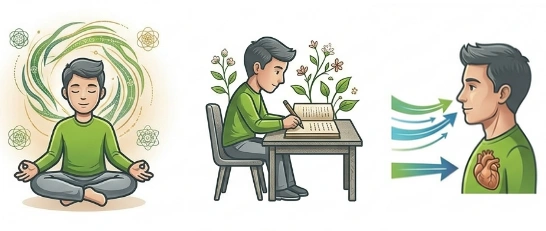
While professional therapy plays a key role in recovery, there are simple, practical steps you can take every day to manage panic more effectively. These small habits, when practiced consistently, can help you feel more in control of your thoughts and body.
With time and consistency, these strategies can support your recovery and make panic feel more manageable.
When dealing with panic disorder, certain habits can unintentionally make things worse, even if they feel helpful in the moment. Being aware of these patterns can help you avoid getting stuck in the cycle of fear.
These patterns can slowly reinforce panic over time. Instead, facing your thoughts with the right support and strategies can lead to real, lasting improvement.
Recovery from panic disorder doesn’t happen overnight, but with the right approach, it is absolutely possible. It’s a gradual process where small improvements build into meaningful, lasting change.
With the support of effective counseling services and consistent effort:
Over time, many people move from feeling stuck and restricted to living more freely, with a stronger sense of control, clarity, and emotional balance.
If someone close to you is dealing with panic disorder, your support can make a meaningful difference in how they cope and recover. It’s not about fixing everything, but about being present in the right way.
Your presence and understanding can help them feel less alone and more supported through their journey.
1. What triggers panic disorder?
Stress, trauma, genetics, and overthinking can trigger panic attacks. Sometimes they happen without any clear reason.
2. Can panic disorder go away?
Yes, with therapy and support, many people recover and manage symptoms effectively over time.
3. How do I calm a panic attack fast?
Focus on slow breathing, grounding techniques, and reminding yourself that the feeling will pass.
4. Is panic disorder serious?
It can affect daily life, but it is treatable with proper therapy and support.
5. When should I see a therapist for panic attacks?
If panic attacks are frequent or affecting your life, it’s best to seek professional help early.
Panic disorder can feel intense and overwhelming, but it is not who you are, and it doesn’t define your life. What you’re experiencing is real, but it’s also something that can be understood, managed, and improved with the right support.
Whether you choose St. Louis counseling, connect with a therapist near you, or seek help from trusted providers like Pearlman & Associates, taking that first step can begin a meaningful shift toward feeling more in control.
You don’t have to go through this alone. With the right guidance and support, it’s possible to move from fear and uncertainty to a place of clarity, confidence, and calm.