
522 N New Ballas, Suite 163
St. Louis, MO 63141
Monday – Saturday
Sunday CLOSED
Book Now
314-942-1147
Email Us
522 N New Ballas, Suite 163
St. Louis, MO 63141
Monday – Saturday
Sunday CLOSED
Book Now
314-942-1147
Email Us
Sometimes, it stays quiet for years. You grow up, build a life, and everything seems “normal”. But then, out of nowhere, you start feeling anxious, overwhelmed, or emotionally stuck, and you don’t fully understand why.
Not all trauma shows up right away.
Sometimes, it stays quiet for years. You grow up, build a life, and everything seems “normal”. But then, out of nowhere, you start feeling anxious, overwhelmed, or emotionally stuck, and you don’t fully understand why.
This is how unresolved trauma often works. It doesn’t always disappear with time. Instead, it finds subtle ways to show up later in life.
The important thing to understand is this: if something feels off, there’s usually a reason behind it. And more importantly, there’s a way to work through it.
When we go through difficult experiences, especially in childhood, our minds don’t always process them fully at that time. In many cases, these early experiences continue shaping emotional patterns later in life, which is why many adults experience long-term effects of unresolved childhood trauma.
Instead, it stores those emotions.
As we grow older, life situations, relationships, stress, or even small triggers can activate those stored feelings.
This is why many adults suddenly experience the following:
Anxiety without a clear cause
Emotional reactions that feel too intense
Difficulty trusting people
Fear of abandonment
It’s not random. It’s often your mind trying to process something it couldn’t earlier.
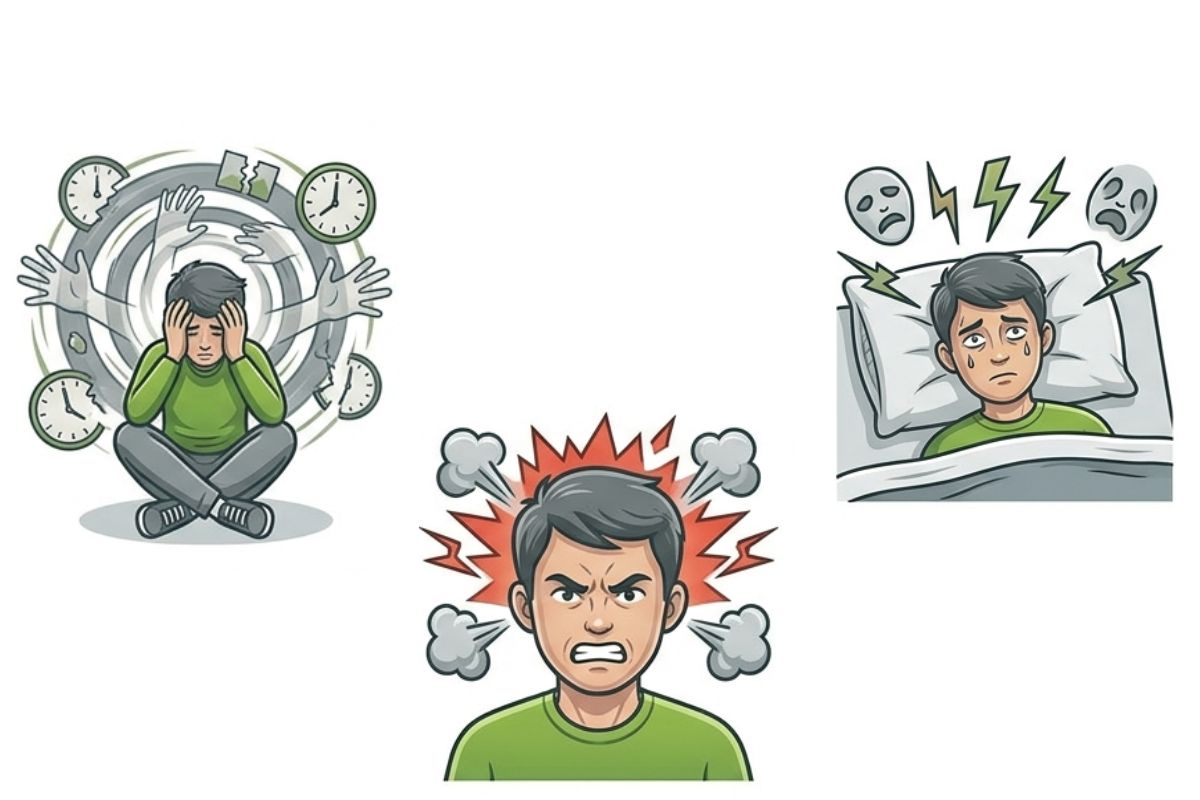
Trauma doesn’t always look like trauma. It can appear in everyday patterns.
Some common signs include:
You may feel like your reactions are stronger than the situation requires.
Even when things are okay, your mind doesn’t feel calm.
Trust issues, fear of being left, or emotional distance.
Sometimes you don’t feel much at all, like you’re just going through the motions.
You may constantly question yourself or feel “not enough”.
These are not personality flaws. They are often learned responses.
Your brain is designed to protect you.
When trauma happens, your brain adapts to keep you safe. But sometimes, those protective patterns continue even when the danger is gone.
For example:
Avoiding people → to prevent getting hurt
Overthinking → to stay prepared
Emotional distance → to avoid vulnerability
Over time, these patterns can start limiting your life instead of protecting it.
This is where therapy becomes powerful.
Working with professionals like Pearlman & Associates or finding a trusted therapist can help you understand what’s happening beneath the surface.
Therapy is not just about talking. It helps you:
Identify the root cause of your reactions
Understand emotional triggers
Break unhealthy thought patterns
Build healthier coping strategies
Approaches like family therapy can also be helpful, especially when trauma is connected to early relationships or family dynamics.
Many people hesitate because they don’t know what to expect.
In reality, therapy is a structured and supportive process.
You may work on:
Understanding your patterns and where they come from
Changing how you interpret situations
Safely working through past experiences
Learning new ways to respond instead of reacting
If you’re searching for Therapy near Creve Coeur or Counseling near Creve Coeur, finding a local therapist can make this process more comfortable and consistent.
Many people search for:
Therapist near me
Counseling services near me
And there’s a reason for that.
Working with someone in your area, like a professional offering St. Louis mental health services, helps you:
Stay consistent with sessions
Feel more connected and understood
Access support easily
Local support creates a sense of comfort, which is very important in trauma recovery.
Yes, but healing doesn’t mean forgetting.
It means:
Understanding what happened
Changing how it affects you
Feeling more in control of your emotions
With the right support, people go from:
Feeling stuck → to feeling aware
Feeling overwhelmed → to feeling stable
Feeling broken → to feeling stronger
Ignoring trauma doesn’t make it go away.
It often shows up as:
Chronic stress
Anxiety or panic
Relationship struggles
Emotional burnout
The longer it stays unaddressed, the more it can affect different areas of life.
The hardest part is starting.
But even recognising that something feels off is already a big step forward.
Whether you choose:
Local support like Pearlman & Associates
What matters is that you don’t ignore it.
Because healing begins with awareness.
Trauma can appear as anxiety, trust issues, emotional reactions, or relationship struggles years after the original experience.
Yes, it can influence behavior, emotions, and relationships if not processed properly.
Signs include overthinking, emotional triggers, low confidence, and difficulty trusting others.
Yes, therapy helps identify triggers, process emotions, and develop healthier coping patterns.
It varies, but consistent therapy can lead to gradual improvement over time.
https://www.nimh.nih.gov/health/topics/post-traumatic-stress-disorder-ptsd
https://www.nimh.nih.gov/health/topics/coping-with-traumatic-events
https://www.ncbi.nlm.nih.gov/books/NBK207191/
At Pearlman & Associates, we provide compassionate, evidence-based therapy services designed to support individuals and families through anxiety, stress, depression, trauma, and life challenges. Our licensed therapists focus on personalised treatment and long-term emotional well-being in a safe, non-judgmental environment. For appointments or queries, email bryan@stlmentalhealth.com.