
522 N New Ballas, Suite 163
St. Louis, MO 63141
Monday – Saturday
Sunday CLOSED
Book Now
314-942-1147
Email Us
522 N New Ballas, Suite 163
St. Louis, MO 63141
Monday – Saturday
Sunday CLOSED
Book Now
314-942-1147
Email Us
As a parent, you understand your child better than anyone else. However, when it comes to teen depression, even the most attentive parents can miss the early warning signs.
This is not because of a lack of care. It happens because teen depression rarely appears in obvious ways.
Instead of clear sadness, it often hides behind subtle behaviors such as mood swings, irritability, silence, or emotional withdrawal. These signs are often mistaken for normal teenage behavior, which makes them easy to overlook.
Teenagers naturally experience emotional ups and downs, which makes it difficult to distinguish between normal development and depression.
According to NIMH, depression in teens can affect thoughts, behavior, sleep, and energy levels. Because these changes often look similar to everyday teenage struggles, parents may not recognize when something serious is happening.
This is why many families only seek help later, often searching online for a depression therapist near me or a teen therapist near me when symptoms have already progressed.
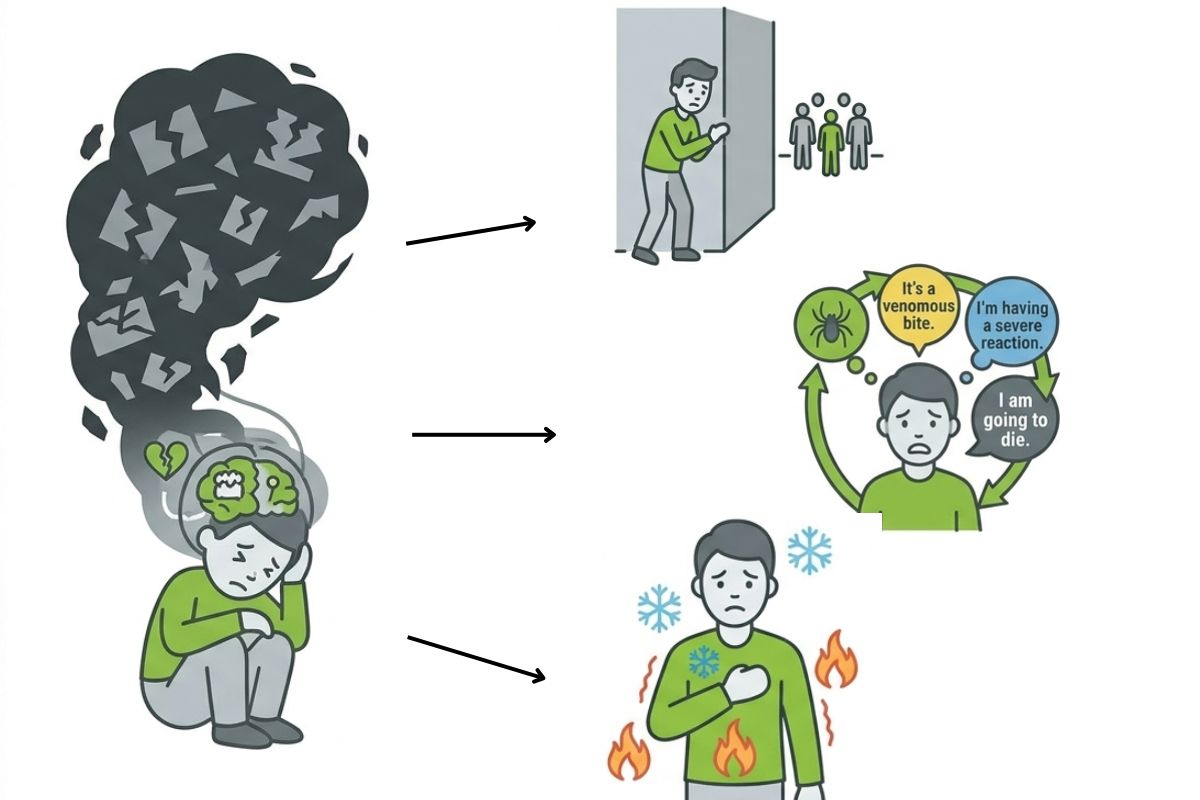
Many parents believe emotional changes are temporary. While this can be true, ongoing sadness or withdrawal may indicate something deeper.
Teenagers often hide their emotions or avoid conversations. They may say everything is fine, even when they are struggling internally. This is when parents may later begin searching for a therapist for teenage depression near me for guidance.
Depression in teens often shows up as anger or frustration rather than sadness. Parents may view this as behavioral issues instead of emotional distress.
School pressure, social expectations, and online comparison can mask deeper emotional struggles. Teens may appear busy, but internally they may be overwhelmed.
With increased screen time, meaningful conversations between parents and teens have reduced. This creates a gap where emotional issues can go unnoticed.
Many parents are unaware of how depression presents in teenagers. Without proper knowledge, early symptoms are often misunderstood.
Some parents hesitate to act because they fear they might be overthinking. However, early action can prevent long-term challenges.
Certain signs should always be taken seriously, especially if they last for more than two weeks:
If you notice these patterns, it may be time to consider professional support from a depression therapist St Louis or a teenage depression therapist near me.
Early intervention can significantly improve recovery outcomes. The sooner support begins, the easier it becomes to manage symptoms and restore emotional balance.
There are different types of therapy for depression that can help teens, including:
Approaches like family therapy help improve communication and strengthen relationships within the home.
Professional centers such as Pearlman & Associates provide structured support for both teens and parents, ensuring a more effective recovery process.
Parents should consider seeking professional help if:
At this stage, many families search for terms like ‘depression therapist near me, best therapist for anxiety and depression near me, or teen therapist near me to find the right support.
If you are in Missouri, connecting with a depression therapist St Louis can provide access to experienced professionals who specialize in adolescent mental health.
Begin with gentle observations rather than direct questioning. This helps your teen feel safe and less pressured.
Allow your teen to express themselves without interruption. Avoid immediately offering solutions.
Ensure your child feels heard, supported, and not judged.
Sometimes teens are more comfortable opening up to a therapist. Seeking help from a therapist for teenage depression near me can make a significant difference.
This guide goes beyond basic information by:
It also bridges the gap between awareness and action, helping parents move from confusion to clarity.
1. What are early signs of depression in teens?
Mood changes, withdrawal, low energy, sleep issues, and loss of interest in activities are common early signs.
2. Why do parents miss teen depression symptoms?
Because symptoms often look like normal teenage behavior such as mood swings or irritability.
3. How can I tell if my teen is depressed or just moody?
If symptoms last more than two weeks and affect daily life, it may indicate depression.
4. When should I seek therapy for my teen?
If emotional or behavioural changes persist or worsen, professional help should be considered.
5. What type of therapy works best for teen depression?
Cognitive behavioural therapy, family therapy, and talk therapy are commonly effective options.
Missing the early signs of teen depression does not mean you have failed as a parent. It simply means the signs were not easy to recognize.
Now that you understand what to look for, you can take the right steps at the right time.
Pay attention to small changes, trust your instincts, and do not hesitate to seek help. With the right support, whether through family therapy, a teen therapist near me, or trusted professionals like Pearlman & Associates, your teen can move toward a healthier and more balanced life.
https://www.nimh.nih.gov/health/topics/depression
https://www.nimh.nih.gov/health/topics/psychotherapies
Pearlman & Associates is a professional mental health practice in St. Louis, dedicated to delivering high-quality, evidence-based therapy for children, teens, adults, and families. Our experienced therapists provide personalised care for anxiety, depression, trauma, and relationship concerns in a supportive and confidential setting. Visit us at 655 Craig Road, Suite 300, St. Louis, MO 63141.