Burnout doesn’t happen overnight. It builds quietly, day after day, responsibility after responsibility, until the exhaustion becomes impossible to ignore.
You may start noticing subtle changes:
Over time, these symptoms can affect your productivity, relationships, and overall mental health.
Burnout is more than simple stress or fatigue. It’s a state of emotional, physical, and mental exhaustion caused by prolonged stress, often linked to work pressure, caregiving demands, or life imbalance.
The good news is that burnout can be reversed with the right understanding, support, and recovery strategies.
This handbook was created to help you:
Whether you’re dealing with professional exhaustion, caregiver fatigue, or chronic overwhelm, the goal of this guide is simple:
To help you reclaim your energy, mental clarity, and sense of purpose.
Below are commonly searched questions related to burnout recovery. These are included for deeper exploration and future educational resources.
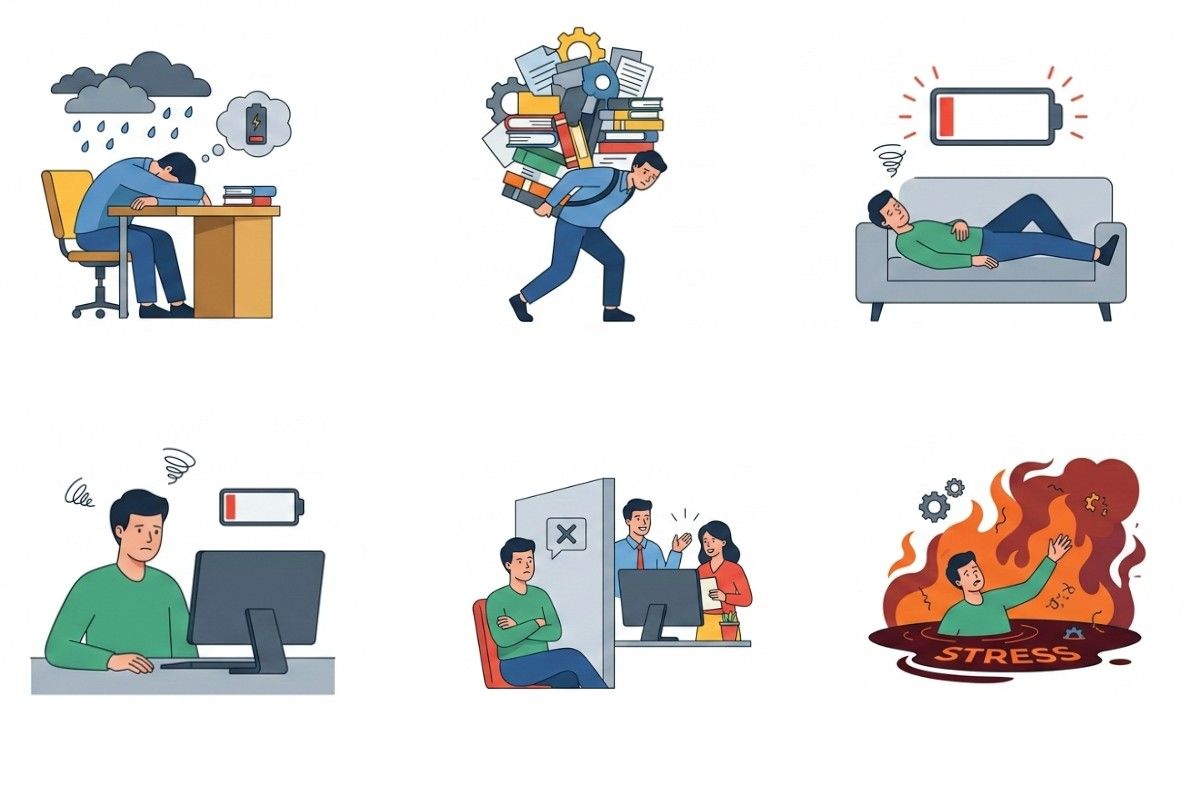
Burnout is often misunderstood as simply feeling tired after working too much. In reality, it is a deeper psychological condition that develops when a person experiences prolonged stress, emotional pressure, and constant demands without enough time to recover. Over time, this ongoing stress can drain a person’s physical energy, emotional resilience, and mental focus.
Mental health professionals generally describe burnout as a state of emotional, mental, and physical exhaustion caused by chronic stress. It typically develops gradually and can affect how a person thinks, feels, and performs in daily life. To better understand burnout, experts often identify three core components that define this condition:
This is the most common symptom of burnout. You may feel completely drained, mentally and emotionally, without the energy to engage with work, responsibilities, or people.
Even small tasks can feel overwhelming.
Burnout can lead to emotional distancing from your work or daily responsibilities.
You may begin to feel:
This detachment is often the mind’s way of protecting itself from continued stress.
Many people experiencing burnout report feeling less productive or capable than they once were.
Tasks that previously felt manageable may suddenly seem difficult, leading to frustration and self-doubt.
Burnout rarely develops because of a single issue. In most cases, it occurs when a person faces multiple ongoing pressures for an extended period without enough time, support, or resources to recover. When stress continues to build without relief, it can gradually drain emotional energy, reduce motivation, and affect overall well-being.
Several factors can contribute to the development of burnout. These pressures may come from work demands, personal responsibilities, lifestyle imbalance, or a lack of support. Understanding these common contributors can help individuals recognize potential risks early and take steps to protect their mental and emotional health.
Common contributors include:
When expectations consistently exceed your available time or energy, the body remains in a constant stress response.
Feeling powerless over schedules, responsibilities, or workplace decisions can contribute heavily to burnout.
Without time to recharge outside work, stress accumulates until emotional exhaustion sets in.
When effort is not acknowledged or rewarded, motivation and engagement can decline.
Humans are wired for connection. Without emotional or social support, stress becomes harder to manage.
Understanding these underlying causes is essential because burnout recovery requires addressing both symptoms and root stressors.
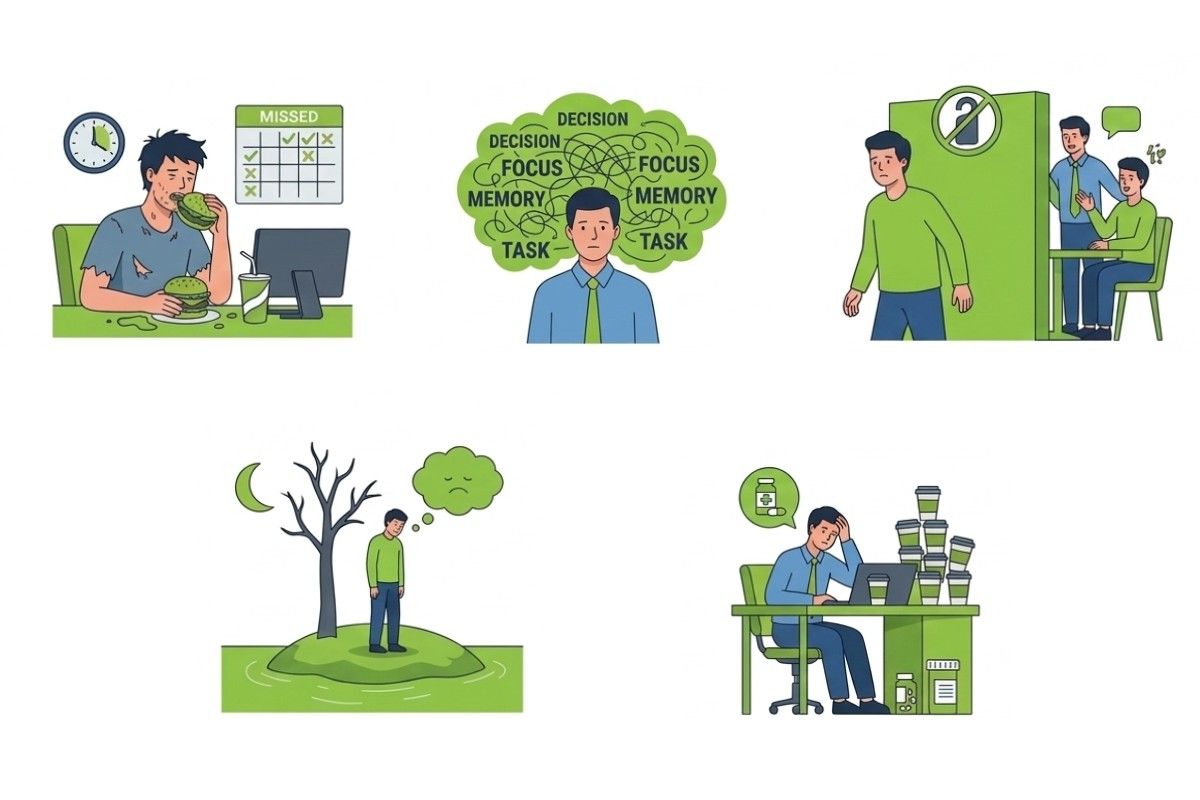
Burnout symptoms can develop gradually, making them easy to overlook at first.
Recognizing early warning signs can help prevent more severe exhaustion.
You may notice:
Burnout can affect the body as well as the mind.
Common physical signs include:
Burnout often impacts focus and decision-making.
You might experience:
Burnout can also influence daily habits.
Examples include:
If these patterns persist, they can significantly affect both personal and professional life.
Recovering from burnout requires more than simply taking a few days off.
True recovery involves rebuilding physical energy, restoring emotional resilience, and creating sustainable habits.
Here are the key stages of burnout recovery.
The first step is acknowledging that burnout is present.
Many people push through exhaustion for months, or even years, without recognizing how deeply stress has affected them.
Recognizing burnout allows you to begin making meaningful changes.
Recovery requires rest that goes beyond sleep.
This includes:
Short breaks, regular pauses, and intentional downtime help regulate the nervous system and restore energy.
Boundaries are essential for long-term recovery.
Examples include:
Healthy boundaries prevent stress from continuously exceeding your capacity.
Long-term recovery involves creating routines that support mental well-being.
Examples include:
Even small lifestyle changes can significantly improve energy and resilience over time.
Burnout recovery is most effective when multiple strategies work together.
Below are several approaches that research and mental health professionals frequently recommend.
Self-care is not about indulgence, it is about maintaining psychological balance.
Restorative activities might include:
These practices help reset the body’s stress response.
Talking with trusted people can dramatically improve recovery.
This might include:
Sharing experiences helps reduce feelings of isolation.
Burnout often creates negative thought patterns such as:
Learning to challenge these thoughts and develop more balanced perspectives can restore emotional stability.
In more severe cases, working with a therapist or mental health professional can provide structured guidance.
Professional support can help individuals:
Seeking help is not a sign of weakness, it is often a key step toward recovery.
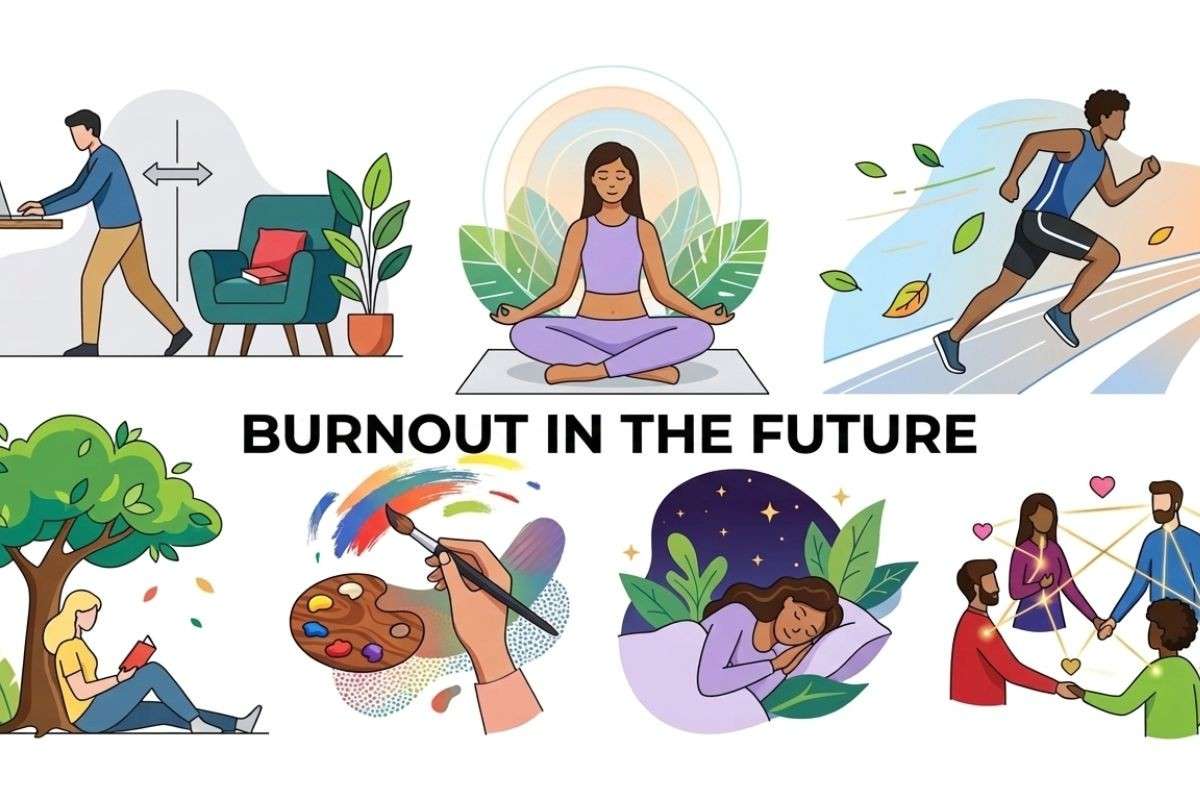
Recovering from burnout is an important step, but maintaining long-term well-being requires continued awareness and healthy lifestyle habits. Once you start regaining your energy and mental balance, focusing on prevention becomes essential. Sustainable mental health is built through daily practices that support emotional resilience, protect your energy levels, and help you manage stress more effectively. By developing consistent habits and recognizing early warning signs, you can reduce the likelihood of experiencing burnout again.
One of the most effective ways to prevent burnout is by creating a healthier balance between work responsibilities and personal life. When work consistently consumes most of your time and energy, it becomes difficult for your mind and body to recover from daily stress. Setting clear boundaries between professional and personal time allows you to recharge and maintain a healthier perspective on your responsibilities.
Being aware of your stress levels plays a crucial role in preventing burnout. Stress often develops gradually, and without noticing the early signs, it can build until it becomes overwhelming. Paying attention to physical and emotional signals, such as fatigue, irritability, difficulty concentrating, or reduced motivation, can help you recognize when your stress levels are increasing.
Recovery time is not a luxury, it is a necessary part of maintaining mental and emotional health. Many people underestimate the importance of rest and recovery, especially when they feel pressure to remain productive. However, consistent recovery time allows the mind and body to reset after periods of effort and stress.
Strong social connections are a powerful protective factor against burnout. Supportive relationships provide emotional encouragement, perspective during challenging situations, and a sense of belonging. Spending time with friends, family members, or trusted colleagues can help relieve stress and improve overall emotional well-being.
Burnout can make even the simplest tasks feel overwhelming.
However, recovery is possible.
With the right strategies, rest, boundaries, meaningful connection, and professional suppor, many people regain their energy, motivation, and emotional balance.
The most important thing to remember is this:
Burnout is not a personal failure.
It is often a sign that something in your environment, workload, or expectations has become unsustainable.
By understanding burnout and taking intentional steps toward recovery, you can create a healthier and more balanced life moving forward.
