522 N New Ballas, Suite 163
St. Louis, MO 63141
Monday – Saturday
Sunday CLOSED
Book Now
314-942-1147
Email Us
522 N New Ballas, Suite 163
St. Louis, MO 63141
Monday – Saturday
Sunday CLOSED
Book Now
314-942-1147
Email Us
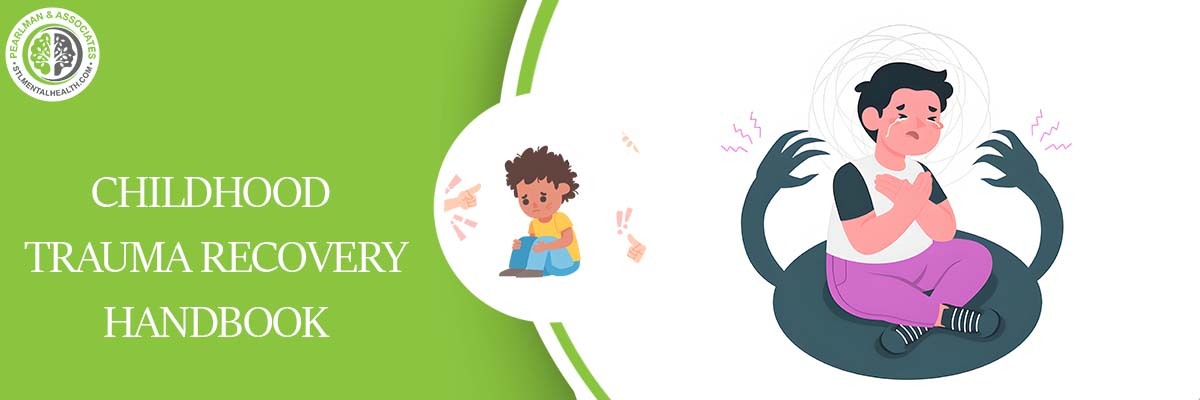
Childhood trauma isn’t always loud or visible. Sometimes, it quietly shapes how you think, feel, and respond to the world without you even realising it. It can come from experiences like emotional neglect, family conflict, loss, abuse, or growing up in an environment where you didn’t feel safe or understood.
For many people, the effects don’t stay in the past. They show up in adulthood as anxiety, trust issues, emotional overwhelm, or difficulty in relationships. And often, people don’t connect these struggles back to their early experiences.
This Childhood Trauma Recovery Handbook is designed to help you understand what’s really happening beneath the surface. It’s not just about information; it’s about clarity, awareness, and practical steps you can actually use.
Whether you’re exploring your own experiences or trying to support a child, this guide will walk you through the causes, signs, and most importantly, the path toward healing.
And one thing to remember from the very beginning: healing is possible.
This section brings together practical tools, expert insights, and helpful guidance to support your healing journey. Explore key answers and resources designed to help you understand and recover from childhood trauma.
Childhood trauma refers to deeply distressing or overwhelming experiences that occur during a child’s early years and can significantly impact their emotional and psychological development. These experiences don’t always have to be extreme to leave a lasting effect, even subtle or repeated situations can shape how a child thinks, feels, and responds to the world.
Common examples include:
What makes childhood trauma especially complex is that children often don’t yet have the ability to fully understand or process what they’re experiencing. Instead of being expressed, these emotions can become stored in the mind and body, quietly influencing behaviour, reactions, and relationships later in life.
This is where child psychology becomes essential, helping us understand how early experiences shape long-term mental health and why addressing them is so important for healing.
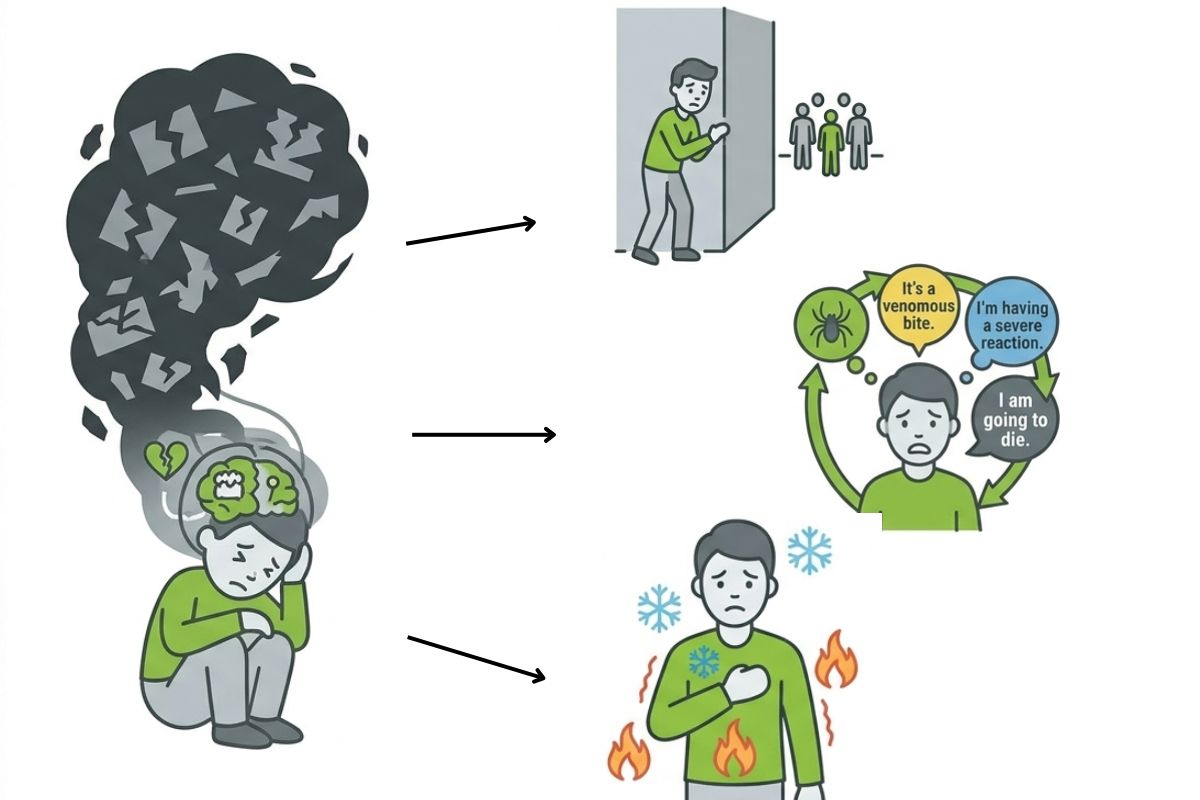
Childhood trauma doesn’t always show up in obvious ways, and it often doesn’t appear right away. In many cases, the effects surface later in life through patterns in thoughts, emotions, and relationships that can be hard to connect back to the past.
For adults, the effects often appear as:
In children, these signs may look different and can include:
Recognizing these patterns early is important. With the right support, such as working with a child behavioral therapist or seeking child counseling, it becomes easier to understand these behaviors and guide both children and adults toward healthier emotional development.
Childhood is a critical stage of development where your brain is constantly learning, adapting, and forming patterns. During this time, your experiences play a major role in shaping how you:
When trauma occurs during these early years, it can interrupt this natural development. Instead of feeling safe and secure, the brain may become wired to stay alert and protective, even in situations that aren’t actually dangerous.
This is why, later in life, some reactions may feel intense or confusing. You might find yourself feeling anxious, overwhelmed, or triggered in moments that seem “normal” to others. In reality, your mind is trying to protect you based on past experiences, even if those experiences are no longer present.
Understanding this connection is an important step toward healing, because it helps you realize that your reactions aren’t random, they’re learned responses that can be gradually unlearned with the right support.
Emotional triggers are reminders, often subtle, that connect your present experience to past trauma. They don’t always seem obvious, but they can instantly activate strong emotional or physical reactions.
A trigger could be:
When you’re triggered, your brain doesn’t always recognize that the danger is in the past. Instead, it reacts as if the experience is happening again in the present moment, leading to intense feelings like fear, anxiety, or discomfort.
Learning to identify and understand your triggers is a powerful step in recovery. It helps you create awareness, respond more calmly, and gradually reduce the intensity of those reactions over time.
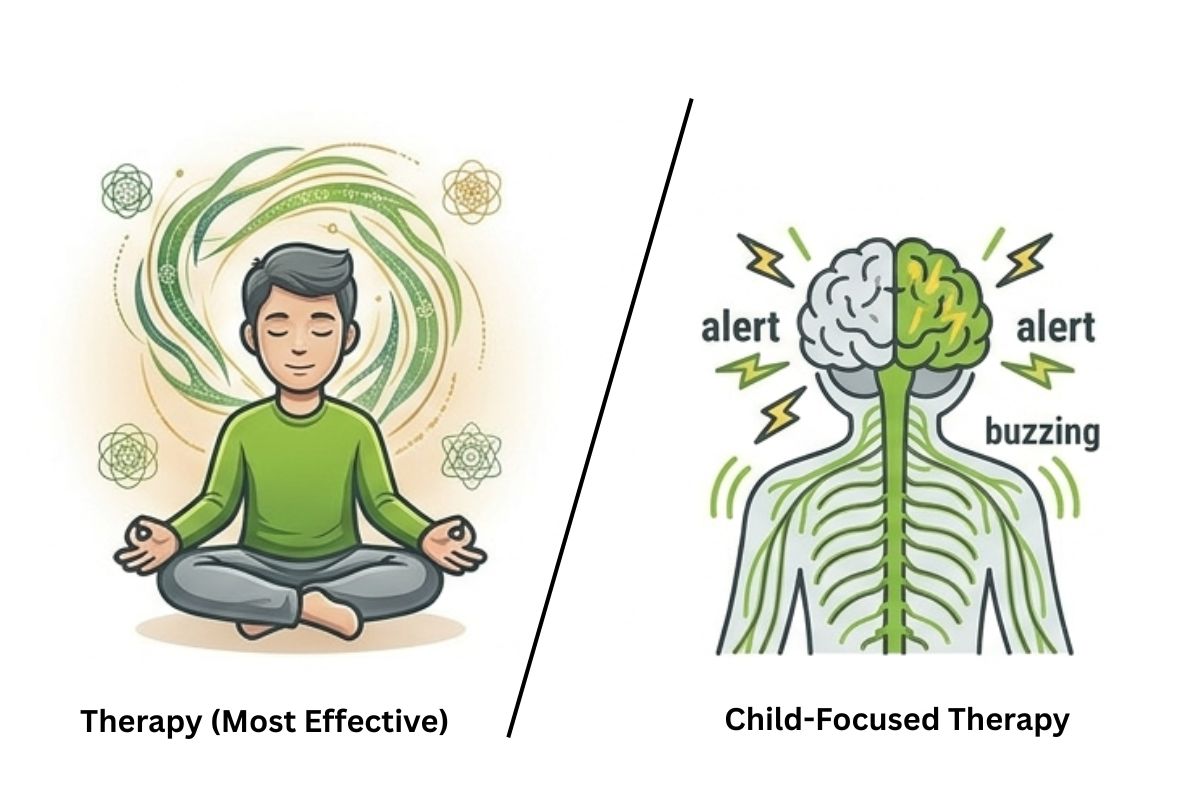
Healing from childhood trauma is possible with the right approach and support.
When it comes to healing from childhood trauma, therapy is one of the most effective and reliable paths forward. Working with a qualified therapist in St Louis or even searching for a therapist near me can connect you with professionals who are trained to understand and treat trauma in a safe, structured way.
Therapy isn’t just about talking, it’s about learning how to process past experiences, understand your reactions, and develop healthier ways of coping.
Some of the most effective approaches include:
Trusted providers like Pearlman & Associates and other St. Louis mental health professionals focus on creating a supportive, non-judgmental environment where real healing can begin.
With the right guidance, therapy can help you move from simply understanding your trauma to actively overcoming its impact.
When childhood trauma involves children, early support becomes especially important. The sooner a child receives the right guidance, the easier it is to help them process emotions in a healthy and positive way before patterns become deeply rooted.
There are several effective options available, including:
These approaches are designed to help children feel heard, supported, and understood. With the right intervention, children can learn to manage their emotions, improve behavior, and develop healthier coping skills that support their long-term well-being.
Seeking help can feel overwhelming, but it’s one of the most important steps.
If you’ve searched for:
You’re already on the right path.
In your area, you’ll find options like:
You can also explore:
Choosing a therapist who understands your environment can make the process more comfortable and effective.
While professional therapy plays a vital role in recovery, there are also meaningful steps you can take on your own to support your healing journey. These daily practices may seem simple, but over time, they can create a strong foundation for emotional growth and stability.
With consistency, these practices can help you feel more connected to yourself and better equipped to handle difficult emotions.
Healing from childhood trauma is a gradual process, and certain patterns can unintentionally slow down your progress, even if they feel easier in the moment.
True recovery takes time, patience, and consistency. Allowing yourself to move at your own pace is an important part of the process.
Recovery isn’t about erasing the past, it’s about changing the way it influences your present. It’s a gradual shift from feeling controlled by past experiences to feeling more in control of your thoughts, emotions, and responses.
With consistent effort and the support of the right counseling services, you may begin to notice meaningful changes such as:
Over time, situations that once felt overwhelming start to feel more manageable. You begin to respond with clarity instead of reacting from past pain, creating space for growth, stability, and a more balanced life.
When a child is going through trauma, the way you support them can shape how they heal and grow. It’s not about having all the right answers, but about creating a space where they feel safe, heard, and understood.
Working with a child behavioral therapist or choosing child counseling can make a meaningful difference, helping children process their emotions and build stronger coping skills for the future.
Healing involves therapy, self-awareness, and support. Techniques like CBT and counseling help process and manage past experiences effectively.
It may not disappear completely, but with therapy, its impact can reduce significantly and become manageable.
Common signs include anxiety, trust issues, emotional triggers, and difficulty maintaining relationships.
Therapy is highly recommended as it provides structured support and proven techniques for healing.
Recovery time varies for each person, but consistent therapy and support can lead to gradual improvement.
Childhood trauma can shape how you see yourself and the world, but it doesn’t have to define where your life goes from here. What you’ve been through matters, but so does what you choose to do next.
With the right support, whether through St. Louis therapy, a trusted provider like Pearlman & Associates, or simply taking the first step to find a therapist near you, healing is not just possible, it’s achievable.
You are not broken. You are someone who has faced difficult experiences, and with the right guidance and support, you can move forward with greater strength, clarity, and a renewed sense of confidence.