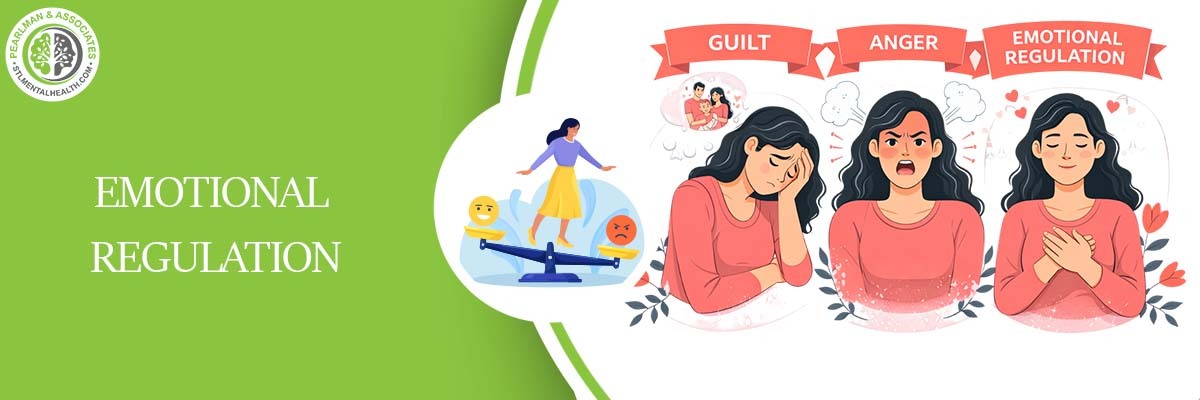
Emotions shape nearly every moment of human life. They influence how we think, how we behave, how we communicate, and how we respond to stress. Yet many people were never taught how to understand or manage their emotions effectively. When emotions feel overwhelming, anger, anxiety, sadness, frustration, or even excitement, it can lead to impulsive reactions, conflict, stress, and emotional exhaustion.
This is where healthy emotion management becomes essential.
The ability to understand, manage, and respond to feelings in healthy and constructive ways is an important life skill. It doesn’t mean suppressing feelings or pretending everything is fine. Instead, it means recognizing emotions, pausing before reacting, and choosing responses that align with your values and long-term goals.
In modern life, learning to regulate emotions is more important than ever. The pressures of work, relationships, social media, global uncertainty, and daily responsibilities can easily overwhelm the nervous system. Without healthy coping skills, people may experience increased anxiety, burnout, relationship conflict, or difficulty focusing.
The good news is that managing emotions effectively is a skill that can be learned and strengthened over time. Through awareness, practice, and supportive strategies, anyone can improve how they respond to emotional experiences.
Developing emotional regulation can help people:
Mental health professionals often emphasize healthy emotional control because it plays a central role in overall psychological well-being. When individuals learn to regulate their feelings effectively, they gain greater control over their thoughts, behaviors, and reactions.
This handbook provides a clear, practical, and comprehensive guide to understanding and managing emotions, explaining what it is, why it matters, and how individuals can develop healthier emotional responses in everyday life.
Whether someone is experiencing stress, anxiety, relationship challenges, or simply wants to strengthen emotional awareness, learning how to manage emotions can be a powerful step toward improved mental health and personal growth.
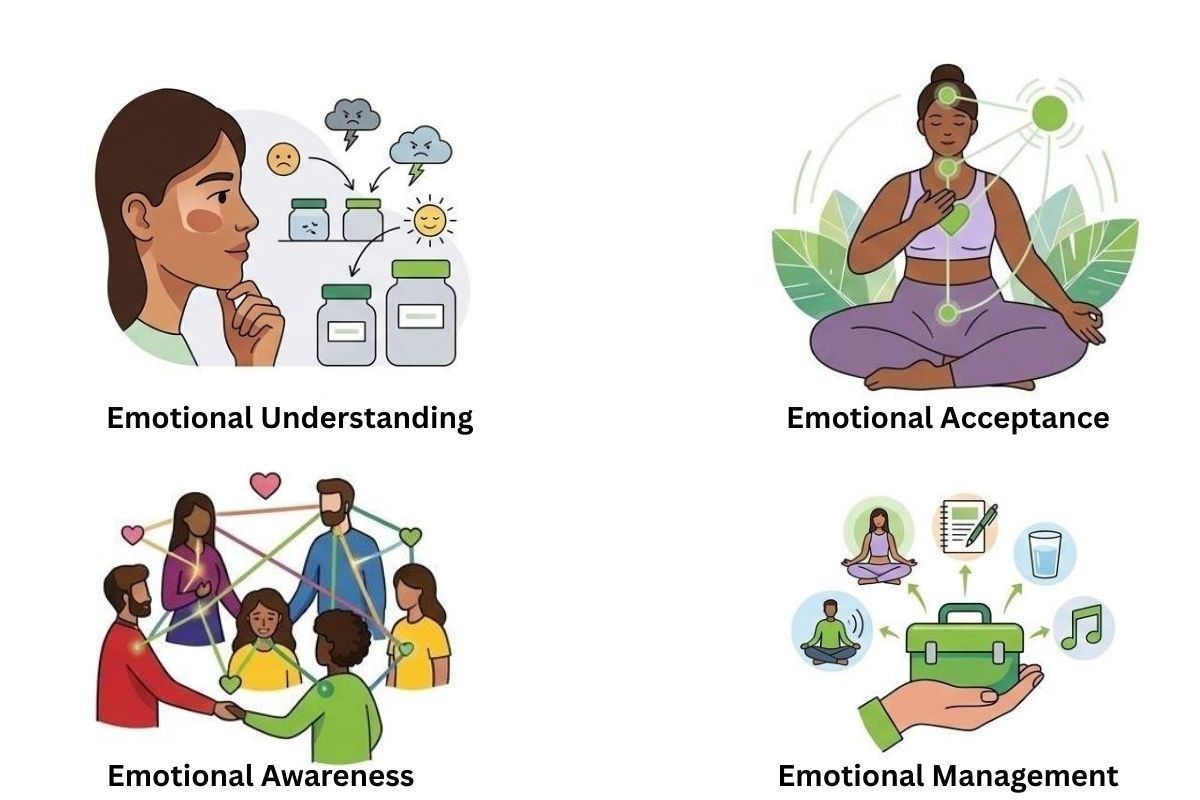
Emotional regulation refers to the process of recognizing emotions, understanding their impact, and managing how they are expressed. Every person experiences emotions throughout the day, sometimes subtle, sometimes intense.
However, the difference between emotional overwhelm and emotional balance often comes down to regulation skills.
For example:
Exploding in rage may reflect poor emotional control
Similarly:
Emotional regulation does not eliminate emotions. Instead, it helps individuals respond to emotions in ways that support healthy behavior and decision-making.
This process involves several psychological abilities:
Recognizing what you are feeling and naming the emotion accurately.
Identifying why the emotion is happening and what triggered it.
Allowing emotions to exist without immediate judgment or suppression.
Choosing how to respond to the emotion in a constructive way.
When these abilities work together, individuals can navigate difficult emotional experiences more effectively.
Without these skills, emotions may take control of behavior, leading to impulsive actions, conflict, or regret.
The ability to manage emotions is deeply connected to overall mental health and well-being. When individuals struggle with emotional control, they may experience ongoing stress, relationship difficulties, or emotional instability.
Research consistently shows that emotional regulation skills support psychological resilience and long-term mental health.
Stress is an unavoidable part of life. Emotional regulation helps individuals process stress without becoming overwhelmed.
Instead of reacting impulsively, regulated individuals can pause, evaluate the situation, and respond calmly.
Relationships require emotional awareness and communication. Poor emotional regulation can lead to arguments, defensiveness, and misunderstandings.
Strong emotion-management skills allow people to:
Emotional intelligence involves understanding both your own emotions and the emotions of others. The ability to regulate feelings is a key component of emotional intelligence.
People with strong emotional intelligence tend to:
When emotions spiral out of control, anxiety and mood swings may increase. Healthy coping strategies help stabilize emotional responses and reduce distress.
Strong emotions can cloud judgment. This helps people pause before making decisions, allowing the rational part of the brain to engage.
This pause can significantly improve decision quality and reduce impulsive mistakes.
Emotional dysregulation occurs when individuals struggle to manage emotional responses effectively. It can appear in many forms, and recognizing these signs is an important first step toward improvement.
Some common indicators include:
Small triggers may cause disproportionately strong emotional responses.
Once emotions escalate, it may take a long time to return to a calm state.
People may say or do things they later regret because emotions override thoughtful decision-making.
Some individuals cope by avoiding emotions entirely, which can lead to long-term stress or unresolved emotional issues.
Constant emotional ups and downs can lead to burnout and mental fatigue.
Emotional dysregulation does not mean someone is weak or incapable. Often, it simply means they were never taught effective emotional management strategies.
Learning to regulate emotions develops through practice and self-awareness. Mental health professionals often teach several core skills that help individuals manage emotional responses more effectively.
Mindfulness helps individuals become aware of their thoughts and emotions without immediately reacting to them.
This awareness creates space between feeling and reacting, allowing healthier responses.
Cognitive reframing involves changing how we interpret situations. Instead of assuming the worst, individuals learn to examine situations from different perspectives.
Slow breathing helps calm the nervous system and reduce emotional intensity.
Breathing exercises can slow heart rate and decrease stress hormones, helping the body return to a balanced state.
Simply naming emotions can reduce their intensity.
For example:
“I feel overwhelmed”
“I feel frustrated”
“I feel anxious”
This awareness activates parts of the brain responsible for emotional control.
Pausing before responding to emotional triggers can dramatically improve this issue.
Even a few seconds of pause can prevent impulsive reactions and help the thinking brain regain control.
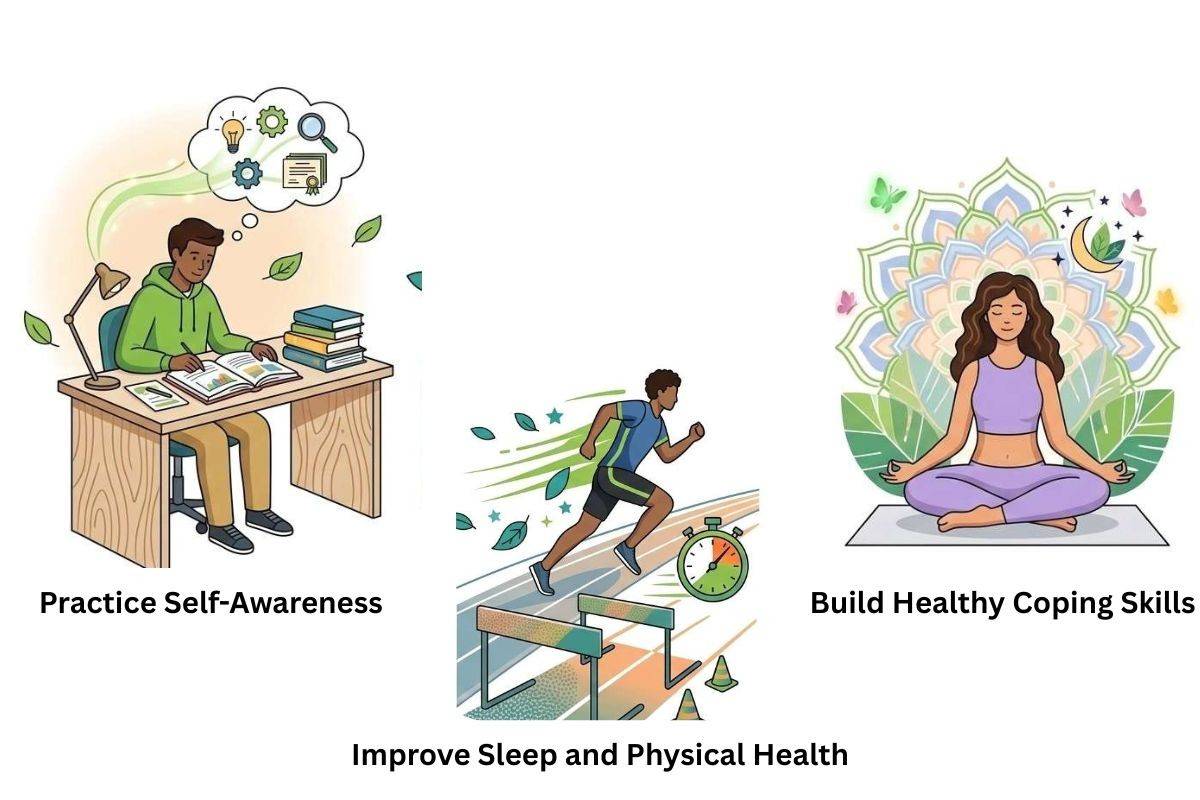
Practical Strategies to Improve These Skills
Developing emotional regulation skills requires consistent practice. Fortunately, there are several practical strategies that individuals can incorporate into daily life.
Pay attention to emotional triggers. Understanding what situations cause strong emotional reactions helps individuals prepare healthier responses.
Sleep, nutrition, and exercise significantly influence emotional stability.
Lack of sleep can increase irritability, stress, and emotional reactivity.
Healthy coping strategies include:
Learning to express emotions clearly and respectfully reduces misunderstandings and emotional tension in relationships.
For individuals experiencing intense emotional struggles, therapy can provide powerful tools and guidance for improving emotional skills.
Therapists often teach evidence-based approaches such as:
Professional support can accelerate emotional growth and healing.
Emotional regulation evolves throughout life.
Children learn emotional skills primarily through caregivers and environment. Teaching children to name emotions, practice calming techniques, and express feelings safely is essential.
Teenagers experience intense emotional changes due to brain development and social pressures. Learning to manage emotions helps them navigate relationships, school stress, and identity formation.
For adults, emotional management influences:
Developing these skills in adulthood can significantly improve overall life satisfaction.
When individuals develop strong emotional management abilities, the benefits extend far beyond stress management.
Long-term advantages include:
These skills help individuals move from reactive living to intentional living.
Instead of being controlled by emotions, individuals learn to understand and guide them.
Learning to manage emotions is one of the most important skills for maintaining mental health and building a balanced life. While emotions are a natural and essential part of the human experience, understanding how to respond to them effectively can transform the way individuals handle challenges, relationships, and stress.
By developing emotional awareness, practicing healthy coping strategies, and strengthening emotional intelligence, people can create greater stability and resilience in their daily lives.
Improving these abilities is not about eliminating emotions, it is about understanding them, learning from them, and responding with intention rather than impulse.
With time, practice, and support, these skills can become a powerful foundation for lasting emotional well-being.
