When anxiety hits, your mind often races ahead, into worry, fear, and “what if” thinking. Your body reacts as if you’re in danger, even when you’re safe. That’s where grounding techniques come in.
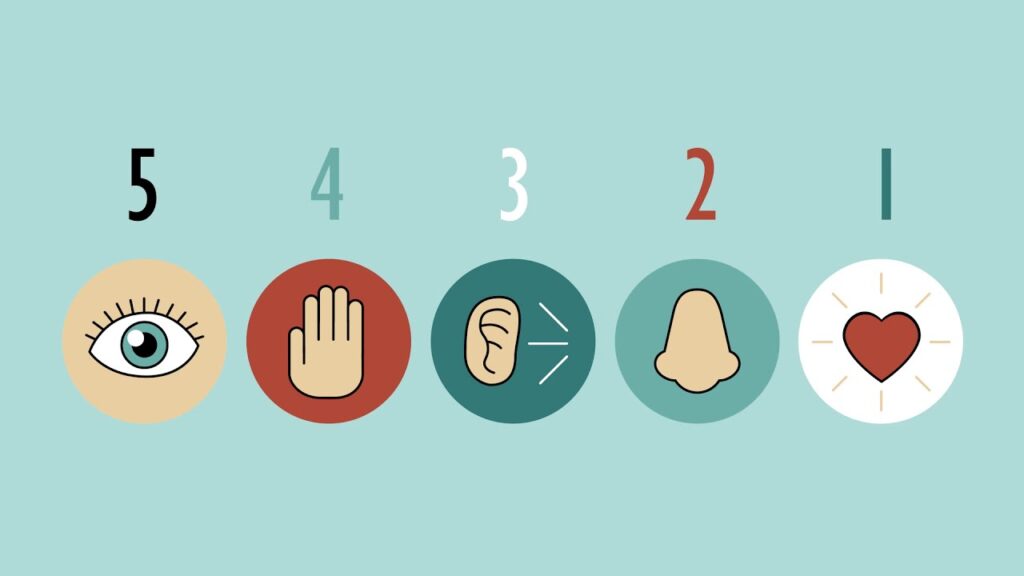
The 5-4-3-2-1 grounding technique is a simple, evidence-based mindfulness exercise that helps calm anxiety by reconnecting you to the present moment using your senses. It’s widely used by therapists to help people manage panic attacks, stress, trauma responses, and emotional overwhelm.
At Pearlman & Associates in St. Louis, we often teach this tool to clients who want a fast, effective way to feel more centered when emotions feel out of control.
Let’s explore how the 5-4-3-2-1 technique works, when to use it, and how to get the most benefit from it.
The 5-4-3-2-1 method is a sensory-based grounding exercise. It shifts attention away from anxious thoughts and back into your body and surroundings.
You gently guide yourself through five steps using your senses:
Look around and name five things you can see. Notice details like color, shape, or movement. This might be a chair, sunlight on the wall, a plant, or a photo.
Identify four things you can physically feel. Maybe the texture of your clothes, the floor beneath your feet, the chair supporting you, or the air on your skin.
Listen carefully for three sounds. These could be nearby, like typing or breathing, or farther away, like traffic, birds, or a fan.
Notice two scents around you. If nothing is obvious, you can gently inhale the air or think of a calming scent you enjoy.
Finally, focus on one taste in your mouth—gum, coffee, water, or simply the natural taste of your breath.
This process brings your attention back into the present moment and away from racing thoughts.
Anxiety activates the brain’s threat system. Your body prepares to fight, flee, or freeze—even when no real danger exists.
The 5-4-3-2-1 technique works by:
✔ Interrupting anxious thought loops
✔ Activating the senses to anchor you in reality
✔ Calming the nervous system
✔ Reducing emotional intensity
✔ Increasing mindfulness and awareness
Instead of fighting anxiety, you gently redirect your focus, allowing your body to settle naturally.
The technique is helpful when you experience:
Panic attacks
Social anxiety
Trauma triggers
Overthinking
Emotional overwhelm
Stress at work or school
Difficulty calming down
You can use it anytime, anywhere, at home, in your car, at work, or even in a classroom.
As you move through each step, take slow breaths. Inhale through your nose and exhale through your mouth to enhance relaxation.
Give yourself time with each sense. The goal isn’t speed—it’s awareness.
Like any skill, grounding works best when practiced regularly, not only during panic.
While grounding is powerful, ongoing anxiety may benefit from professional support and coping strategies tailored to you.
Improves emotional regulation
Enhances mindfulness
Portable and easy to use
No equipment required
Safe for adults, teens, and kids
Many people find that even a few minutes of grounding can restore a sense of control and clarity.
Grounding is a helpful tool, but if anxiety, panic, or trauma responses keep returning, it may be time to look deeper.
If you notice:
Frequent panic attacks
Avoidance of daily activities
Constant worry
Trouble sleeping
Emotional shutdown
Working with a therapist can help uncover patterns and build long-term coping strategies.
At Pearlman & Associates, our St. Louis therapists support individuals, teens, couples, and families dealing with anxiety, stress, and emotional challenges.
The 5-4-3-2-1 grounding technique is a simple but powerful way to calm your mind, reconnect with your body, and regain control when anxiety feels overwhelming.
Used regularly, it becomes a reliable tool for emotional balance. And when paired with professional guidance, it can be part of a stronger, healthier approach to mental wellness.
If anxiety or stress is affecting your daily life, you don’t have to handle it alone.
👉 Schedule a consultation with Pearlman & Associates in St. Louis
📞 314-942-1147
📍 655 Craig Road, Suite 300, St. Louis, MO 63141
🌐 https://www.stlmentalhealth.com/contact-us/
