522 N New Ballas, Suite 163
St. Louis, MO 63141
Monday – Saturday
Sunday CLOSED
Book Now
314-942-1147
Email Us
522 N New Ballas, Suite 163
St. Louis, MO 63141
Monday – Saturday
Sunday CLOSED
Book Now
314-942-1147
Email Us
In today’s fast-paced world, stress, anxiety, and mental overload are becoming part of daily life for many people across the U.S. From work pressure and family responsibilities to social and financial stressors, our nervous systems rarely get a break.
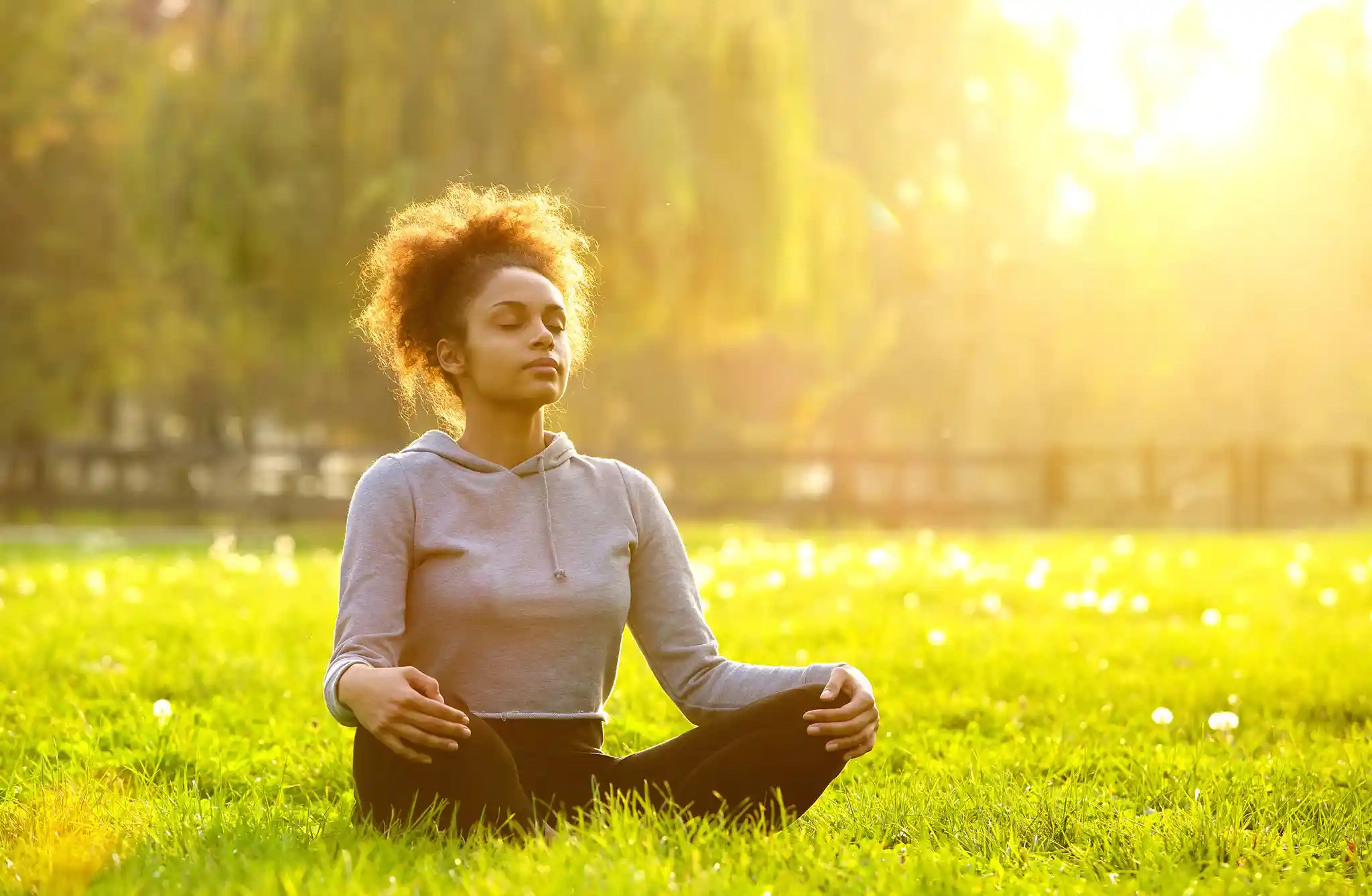
One of the most effective, and often overlooked, tools for improving mental health is deep breathing. It’s simple, free, and backed by science. When practiced correctly, deep breathing can help calm anxiety, reduce stress, improve focus, and support emotional regulation.
At Pearlman & Associates in St. Louis, we often teach breathing techniques as part of therapy for anxiety, panic, trauma, and everyday stress. In this guide, you’ll learn how deep breathing works, why it matters for mental health, and how to use it in real life.
Deep breathing directly affects your nervous system. When you feel stressed, your body enters fight-or-flight mode. Your heart rate increases, breathing becomes shallow, and your muscles tense.
Slow, intentional breathing activates the parasympathetic nervous system, also called the body’s “rest and digest” response. This helps:
Lower heart rate
Reduce cortisol (stress hormone)
Relax muscles
Calm racing thoughts
In short, breathing sends a signal to your brain that you are safe.
Deep breathing slows the body down. It decreases blood pressure and physical tension, helping your body recover from stress more quickly.
When anxiety hits, thoughts spiral. Breathing exercises pull attention back to the present moment, easing panic symptoms and emotional overwhelm.
More oxygen to the brain supports better concentration, memory, and decision-making, especially helpful during work or school stress.
Deep breathing helps you pause before reacting, making it easier to respond calmly instead of impulsively.
Practicing breathing before bed relaxes the nervous system and prepares the body for rest.
Sit or lie comfortably.
Place one hand on your chest and one on your stomach.
Inhale slowly through your nose, letting your belly rise.
Exhale through your mouth, letting your stomach fall.
Repeat for 3–5 minutes.
Inhale for 4 seconds.
Hold for 4 seconds.
Exhale for 4 seconds.
Hold for 4 seconds.
Repeat for several rounds.
Inhale for 4 seconds.
Hold for 7 seconds.
Exhale slowly for 8 seconds.
Repeat 4 cycles.
Deep breathing fits easily into daily life:
Before stressful meetings
During anxiety or panic episodes
Before bed
After work
During therapy sessions
When emotions feel overwhelming
Even 2–3 minutes can make a noticeable difference.
At Pearlman & Associates, breathing techniques are often combined with therapy for:
Anxiety disorders
Panic attacks
PTSD
Depression
Stress management
Emotional regulation
Breathing is not a cure on its own, but it becomes powerful when paired with professional support and coping strategies.
If stress or anxiety feels constant, overwhelming, or interferes with daily life, it may be time to speak with a therapist. Breathing helps, but therapy addresses the deeper causes behind emotional struggles.
Yes, deep breathing helps reduce anxiety by slowing the heart rate and calming the nervous system. It signals the body to relax, easing stress and promoting emotional balance quickly.
Deep breathing increases oxygen flow and activates the body’s relaxation response. It reduces stress hormones, clears the mind, and helps you feel more focused and in control.
One effective method is the 4-7-8 technique: inhale for 4 seconds, hold for 7, and exhale for 8. It helps slow breathing, calm the mind, and reduce anxiety quickly.
Practicing deep breathing for 5 to 10 minutes daily can significantly reduce anxiety. Even a few minutes during stressful moments can quickly calm your mind and body.
Yes, deep breathing activates the parasympathetic nervous system, helping your body relax, reduce stress, and restore emotional balance after anxiety or tension.
Deep breathing is one of the simplest ways to support mental health. It calms the body, quiets the mind, and creates space between emotions and reactions.
By practicing a few minutes each day, you build resilience against stress and anxiety. And when breathing is combined with therapy, the results are even stronger.
American Heart Association (AHA), Breathing Brings Benefits.
Highlights how deep breathing reduces stress, anxiety, and blood pressure while promoting calm by positively influencing the nervous system.
American Heart Association (AHA), Stress Management.
Explains that deep breathing techniques help lower stress, improve mental well-being, and create a calming effect by regulating the body’s response to stress.
National Institutes of Health (NIH), Deep Breathing Research.
Describes how regular deep breathing practices improve relaxation, reduce stress and anxiety, and support emotional regulation through controlled breathing techniques.
Ready to Improve Your Mental Health? We’re Here to Help.
At Pearlman & Associates, our licensed therapists help children, teens, adults, couples, and families manage stress, anxiety, trauma, and emotional challenges.
📍 655 Craig Road, Suite 300, St. Louis, MO 63141
📞 314-942-1147
🌐 https://www.stlmentalhealth.com/contact-us/
Schedule a consultation today and take the first step toward feeling better.