Mental health isn’t something you fix overnight. It’s something you strengthen, daily, intentionally, and with compassion toward yourself.
If you’re feeling stressed, overwhelmed, anxious, burned out, or emotionally stuck, you’re not alone. Many people in the U.S. struggle quietly with mental health while trying to keep up with work, family, and life responsibilities.
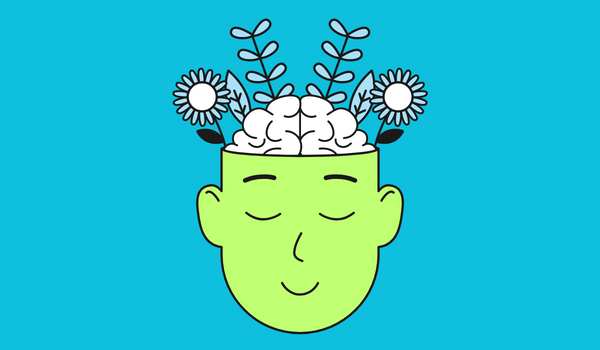
The good news? Small, consistent actions can create powerful change.
Below are practical, research-informed steps you can start right now to improve your mental health, emotional balance, and overall well-being.
Your mental health affects how you:
Handle stress
Build relationships
Make decisions
Perform at work and home
Feel about yourself
When mental health is ignored, even small challenges can feel overwhelming. When it’s supported, life becomes more manageable, meaningful, and stable.
Gratitude isn’t about ignoring problems, it’s about balancing your focus.
Take two minutes each day to write down:
One thing you appreciated
One moment that felt good
One person who helped you
Over time, gratitude reduces stress, improves mood, and increases emotional resilience.
Mindfulness means noticing what’s happening right now, without judgment.
Try this:
Breathe in for 4 seconds
Hold for 4
Exhale for 6
Do this for 3 minutes. It lowers anxiety and helps your body exit “fight or flight” mode.
You don’t need a gym membership. Even:
A 10-minute walk
Stretching
Light yoga
Dancing to music
Movement releases endorphins that naturally boost mood and reduce depression symptoms.
Poor sleep increases anxiety, irritability, and emotional reactivity.
Healthy sleep habits:
Go to bed at the same time
Avoid screens 60 minutes before sleep
Keep your room cool and dark
Better sleep = better emotional regulation.
What you eat affects how you feel.
Focus on:
Lean proteins
Whole grains
Fruits and vegetables
Water
Stable blood sugar supports stable emotions.
Constant scrolling increases stress and comparison.
Try:
No phone in bed
Social media breaks
Notifications off at night
Your mind needs quiet time to reset.
Connection improves mental health more than isolation.
Send a text.
Call a friend.
Spend time with someone safe.
Even small interactions improve mood and emotional safety.
Large goals overwhelm. Small steps empower.
Instead of “fix everything,” try:
One task
One priority
One win today
Success creates motivation.
Your brain isn’t a machine.
Short breaks:
Reduce burnout
Improve focus
Support emotional balance
Pause, breathe, and reset.
If stress, anxiety, depression, or emotional pain feels constant, therapy can help.
A therapist helps you:
Understand your patterns
Build coping skills
Improve emotional regulation
Strengthen relationships
Support is strength, not weakness.
You may benefit from therapy if you notice:
Ongoing anxiety
Low mood
Burnout
Relationship struggles
Trouble functioning daily
Early support prevents bigger struggles later.
Improving your mental health doesn’t require perfection—it requires intention.
Start with one habit today.
Then another tomorrow.
Small actions create lasting emotional health.
If you’re ready for support, professional guidance can help you feel grounded, confident, and emotionally balanced again.
Ready to Improve Your Mental Health? We’re Here to Help.
At Pearlman & Associates, our licensed therapists support adults, teens, couples, and families throughout St. Louis with anxiety, stress, depression, and life challenges.
📍 655 Craig Road, Suite 300, St. Louis, MO 63141
📞 314-942-1147
🌐 https://www.stlmentalhealth.com/contact-us
What are fast ways to improve mental health?
Simple habits like breathing exercises, movement, gratitude, and better sleep can quickly improve emotional balance.
Can lifestyle changes help anxiety and stress?
Yes. Consistent routines, healthy sleep, social connection, and mindfulness reduce stress symptoms.
When should I seek therapy for mental health?
If emotional struggles interfere with daily life or last more than a few weeks, therapy is recommended.
Does exercise really help mental health?
Yes. Physical activity releases endorphins that naturally boost mood and reduce anxiety.
Is therapy helpful even if problems feel small?
Absolutely. Early support prevents issues from becoming overwhelming.
