
522 N New Ballas, Suite 163
St. Louis, MO 63141
Monday – Saturday
Sunday CLOSED
Book Now
314-942-1147
Email Us
522 N New Ballas, Suite 163
St. Louis, MO 63141
Monday – Saturday
Sunday CLOSED
Book Now
314-942-1147
Email Us
Emotions are a natural part of everyday life. However, when emotions become overwhelming or difficult to control, they can affect relationships, work performance, and overall wellbeing. This is where emotional regulation becomes essential.
Emotional regulation refers to the ability to understand, manage, and respond to emotions in a healthy and balanced way. These skills help people remain calm during stressful situations, communicate more effectively, and make better decisions.
Many St. Louis therapists and mental health professionals emphasise emotional regulation as a key component of mental wellness. Whether someone is experiencing anxiety, stress, or relationship challenges, developing emotional regulation skills can significantly improve daily life. For individuals struggling to manage intense emotions, seeking individual therapy in St. Louis can provide practical tools and professional guidance for building healthier emotional responses.
In this guide, we will explore the five core emotional regulation skills that can help individuals build emotional resilience and maintain better mental health.
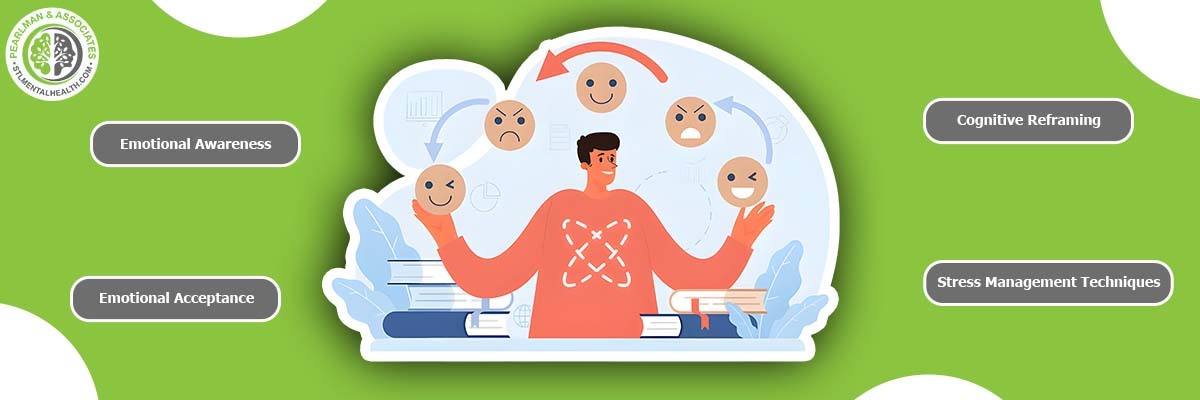
Emotional regulation is not about suppressing feelings. Instead, it focuses on understanding emotions and responding to them constructively.
When emotional regulation skills are strong, individuals are more likely to:
Handle stress calmly
Communicate emotions clearly
Maintain healthier relationships
Improve decision making
Reduce anxiety and emotional overwhelm
Many people who struggle with emotional control benefit from working with a mental health professional or therapist. Seeking therapy in St Louis can provide structured support and practical techniques for improving emotional awareness and coping strategies.
Organisations like Pearlman & Associates often work with individuals who want to develop healthier emotional habits and build stronger emotional resilience.
The first step in emotional regulation is recognizing and understanding your emotions.
Many people react emotionally without fully identifying what they are feeling. Emotional awareness helps individuals pause and identify emotions such as frustration, sadness, anxiety, or anger.
Ways to improve emotional awareness include:
Noticing physical reactions to emotions
Practicing mindfulness
Journaling emotional experiences
Asking yourself what triggered a reaction
Working with a therapist near me or a licensed counselor can help individuals better understand emotional triggers and patterns.
Accepting emotions is another important skill. Many people try to avoid uncomfortable feelings, but suppressing emotions often makes them stronger.
Emotional acceptance means acknowledging feelings without judging them.
Healthy acceptance includes:
Recognizing that all emotions are normal
Avoiding self criticism for emotional reactions
Allowing emotions to pass naturally
Many st louis therapists use acceptance based approaches such as mindfulness and cognitive behavioral therapy to help individuals manage emotional distress.
Cognitive reframing involves changing the way we interpret situations.
Sometimes emotions become overwhelming because our thoughts exaggerate negative outcomes. Reframing helps individuals challenge unhelpful thoughts and replace them with more balanced perspectives.
Examples of cognitive reframing include:
Turning “Everything is going wrong” into “This situation is difficult but manageable.”
Viewing setbacks as learning experiences
Recognizing when thoughts are influenced by stress or anxiety
Many professionals in grow therapy and counseling practices teach reframing techniques as a way to reduce emotional reactivity.
Stress plays a major role in emotional dysregulation. When stress levels rise, emotional reactions often become stronger.
Learning practical stress management strategies helps individuals stay calm during challenging situations.
Common techniques include:
Deep breathing exercises
Meditation and mindfulness
Physical activity
Taking short mental breaks during stressful tasks
Seeking guidance through therapy in St Louis can also help individuals learn personalized stress management strategies that improve emotional stability.
The final emotional regulation skill is expressing emotions in a constructive way.
Instead of suppressing feelings or reacting impulsively, healthy emotional expression focuses on communicating emotions clearly and respectfully.
Examples include:
Talking openly about feelings
Using “I feel” statements in conversations
Practicing active listening
Setting healthy boundaries
A trained mental health professional can help individuals practice effective communication and develop healthier emotional expression patterns.
While many people develop emotional regulation skills on their own, professional guidance can accelerate progress.
Working with a therapist provides structured strategies for understanding emotions, managing stress, and building emotional resilience.
Therapists often use techniques such as:
Cognitive behavioral therapy
Mindfulness based therapy
Emotional awareness training
Stress reduction strategies
Practices such as Pearlman & Associates offer therapy services designed to help individuals improve emotional regulation and overall mental wellbeing.
If someone is searching online for a therapist near me, connecting with experienced st louis therapists can be a valuable step toward emotional balance and long term mental health improvement.
Improving emotional regulation requires consistent practice and self-awareness.
Helpful steps include:
Practicing mindfulness
Identifying emotional triggers
Using stress management techniques
Seeking guidance from a therapist
Developing healthier coping strategies
With time and support, emotional regulation becomes easier and more natural.
Several factors can contribute to emotional regulation difficulties.
Common causes include:
Chronic stress
Anxiety or depression
Trauma or unresolved emotional experiences
Lack of emotional awareness skills
Environmental or relationship stressors
Working with a mental health professional can help identify underlying causes and develop healthier emotional coping strategies.
Yes. Therapy is one of the most effective ways to improve emotional regulation.
Therapists teach coping techniques, emotional awareness skills, and stress management strategies that help individuals respond to emotions in healthier ways.
Many individuals find that therapy in St Louis provides practical support for improving emotional wellbeing and reducing emotional overwhelm.
Developing strong emotional regulation skills is essential for maintaining healthy relationships, managing stress, and improving overall mental wellbeing.
The five core emotional regulation skills emotional awareness, acceptance, cognitive reframing, stress management, and healthy emotional expression provide a powerful foundation for emotional stability.
For individuals who struggle with overwhelming emotions, working with experienced st louis therapists or a licensed mental health professional can provide valuable guidance.
Practices like Pearlman & Associates help individuals develop the tools they need to manage emotions effectively and build a healthier, more balanced life.