
522 N New Ballas, Suite 163
St. Louis, MO 63141
Monday – Saturday
Sunday CLOSED
Book Now
314-942-1147
Email Us
522 N New Ballas, Suite 163
St. Louis, MO 63141
Monday – Saturday
Sunday CLOSED
Book Now
314-942-1147
Email Us
Emotions are part of everyday life. We all experience stress, frustration, happiness, anger, and excitement. However, the real skill lies in how we manage those emotions. That skill is called emotional regulation, and it plays a crucial role in mental health and relationships.
If you are exploring mental health support or St Louis individual counselling, understanding emotional regulation can help you recognise how people cope with difficult feelings and maintain emotional balance.
In this guide, we will explore what emotional regulation means, real-life examples, and practical strategies to improve this important psychological skill.
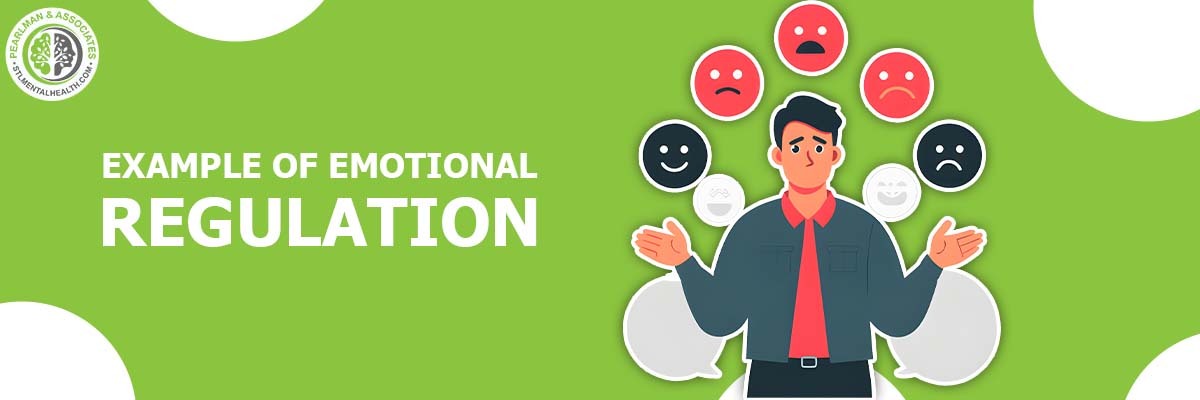
Emotional regulation refers to the ability to manage, control, and respond to emotional experiences in a healthy and balanced way. It involves recognizing your emotions, understanding why they occur, and adjusting your response to a situation.
Rather than reacting impulsively, people with strong emotional regulation skills pause, process their feelings, and respond thoughtfully.
For example:
Staying calm during an argument instead of shouting
Taking a break when feeling overwhelmed
Reframing negative thoughts into constructive ones
This ability helps people maintain better relationships, improved mental health, and stronger coping skills.
When emotional regulation is weak, people may experience mood swings, impulsive behaviour, or difficulty calming down after stressful situations.
A simple example can help clarify how emotional regulation works in real life.
Imagine you receive critical feedback from your manager at work.
You may feel angry or embarrassed and respond defensively, argue with your manager, or dwell on the criticism all day.
You pause, take a few deep breaths, and think about the situation objectively. Instead of reacting emotionally, you say:
“Thank you for the feedback. I’ll review it and work on improving.”
Later, you reflect on the advice and use it to improve your performance.
This is emotional regulation in action. You acknowledge the emotion but choose a thoughtful response instead of reacting impulsively.
Many people improve these skills through counselling with a therapist in St Louis or by working with professionals such as Pearlman & Associates , who specialise in emotional and behavioural therapy.
Developing emotional regulation skills benefits nearly every aspect of life.
People who manage emotions effectively experience lower stress levels and fewer anxiety symptoms.
Controlling emotional reactions helps prevent unnecessary conflicts and misunderstandings.
When emotions are regulated, people make more rational and thoughtful decisions.
Emotionally regulated individuals recover faster from setbacks and stressful situations.
Because emotional regulation plays such a major role in well-being, many individuals seek support from a therapist or mental health professional for anxiety .
Searching for a therapist near me or consulting a St Louis therapist can help develop healthier emotional coping strategies.
There are several proven techniques used in psychology and therapy that help individuals regulate emotions effectively.
Slow breathing activates the body’s relaxation response and reduces emotional intensity.
Example:
Take a deep breath for four seconds, hold for four seconds, then exhale slowly.
This technique involves changing how you interpret a situation.
Instead of thinking:
“I failed completely.”
You reframe it as:
“This mistake is an opportunity to learn.”
Mindfulness teaches people to observe emotions without judging them.
By acknowledging emotions calmly, individuals prevent them from becoming overwhelming.
Sometimes stepping away from a stressful situation is the best solution.
For example:
Going for a walk
Listening to music
Practicing meditation
These actions help reset emotional balance.
Professional guidance can make a significant difference in learning emotional regulation skills.
Mental health services such as Grow Therapy, local counselling centres, or Pearlman & Associates provide structured techniques to help individuals manage emotions effectively.
Working with a therapist in St Louis can help people understand emotional triggers and develop healthier coping strategies.
People with strong emotional regulation usually show certain behaviours.
Some common signs include:
Staying calm during stressful situations
Thinking before reacting
Expressing emotions clearly and respectfully
Recovering quickly from frustration
Managing anger without aggression
These abilities contribute to healthier relationships and improved emotional stability.
Learning emotional regulation skills sometimes requires professional guidance.
Therapy helps individuals:
Identify emotional triggers
Understand patterns of emotional reactions
Learn coping techniques
Develop healthy responses to stress
Working with a St Louis therapist or mental health professional can provide practical strategies to manage difficult emotions and improve overall well-being.
Therapy also helps people struggling with anxiety, trauma, or stress build healthier emotional responses.
Emotional regulation means managing your feelings in a healthy way so you can respond calmly instead of reacting impulsively.
An example is taking deep breaths and calming yourself when angry before responding in a conversation.
It helps reduce stress, improve relationships, and support better mental health and decision-making.
Stress, trauma, anxiety disorders, or lack of coping skills can make emotional regulation difficult.
Yes. Therapists teach coping strategies, mindfulness, and behavioural techniques to help manage emotions effectively.