
You may be wondering, what does sleep really have to do with mental health? The answer is: almost everything. Sleep and mental health are deeply connected. The quality of your sleep affects how you think, feel, react, and cope with everyday stress.
Understanding Mental Health and Why It Matters Mental health plays a vital role in how we think, feel, and live each day. According to the Centers for Disease Control and Prevention (CDC), mental health includes our emotional, psychological, and social well-being. It affects how we handle stress, relate to others, make decisions, and manage everyday challenges. Good mental health supports productivity, healthy relationships, and overall life satisfaction at every stage of life, from childhood and adolescence through adulthood.
Experiencing test anxiety before an important exam? You’re not alone. Many students and professionals in St. Louis struggle with racing thoughts, physical tension, and fear of failure when preparing for tests, presentations, or performance situations.
Understanding Obsessive-Compulsive Disorder (OCD) Before exploring coping strategies for Obsessive-Compulsive Disorder (OCD), it helps to understand what OCD really is and how it affects daily life. According to the Anxiety & Depression Association of America (ADAA), OCD impacts about 2.2 million adults in the United States, or nearly 1% of the population. Research also shows that about 1 in 40 adults and 1 in 100 children experience OCD at some point in their lives.

“You are not alone,” says Dr. Lena Pearlman, LCSW, Clinical Director at Dr. Lena Pearlman & Associates, a trusted mental health therapy practice in Creve Coeur, Missouri.

What Is a Psychiatrist and How Can They Help You? A psychiatrist is a licensed medical doctor who specializes in diagnosing and treating mental health conditions using medical training, clinical evaluation, and medication management. Unlike general therapists, psychiatrists complete medical school and advanced training in psychiatric disorders, brain chemistry, and psychotropic medications.
In today’s fast-paced world, staying present is harder than ever. Our minds are often stuck in the past or racing into the future, leaving little room for peace in the present moment. That’s where mindfulness therapy in St. Louis becomes powerful. Practicing mindfulness helps reduce anxiety, improve focus, strengthen emotional awareness, and support long-term mental wellness.

Nora Roberts once said, “Nothing ever seems too bad, too hard, or too sad when you’ve got a Christmas tree in the living room.” And it’s true, when the lights go on, so do the smiles of the people gathered around it.

When people search for trusted counseling in St. Louis, Missouri, they’re often looking for more than credentials, they’re looking for understanding, experience, and real human connection. Dr. Lena Pearlman, LCSW, is the heart of Dr. Lena Pearlman & Associates, bringing over 20 years of professional experience helping individuals, couples, and families navigate anxiety, trauma, grief, relationships, and life transitions.
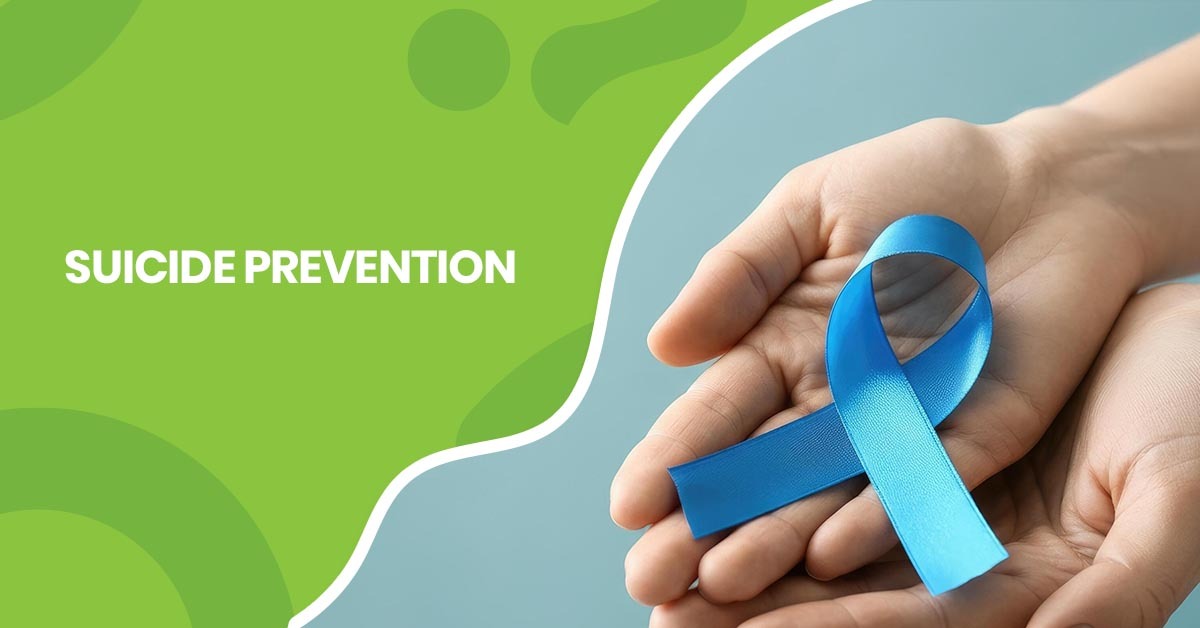
Suicide is one of the most serious public health challenges in the United States. According to the CDC, in 2019, more than 12 million American adults seriously considered suicide, 3.5 million made a plan, and 1.4 million attempted suicide. The American Psychiatric Association reports that suicide is the 10th leading cause of death in the U.S. and the second leading cause of death for people aged 10 to 34.
